
Technology serving people
Tech for good is not only a national park. We point the same engineering at loneliness, violence, prejudice and abuse, together with municipalities, NGOs and the people who live with those problems.
What we actually do
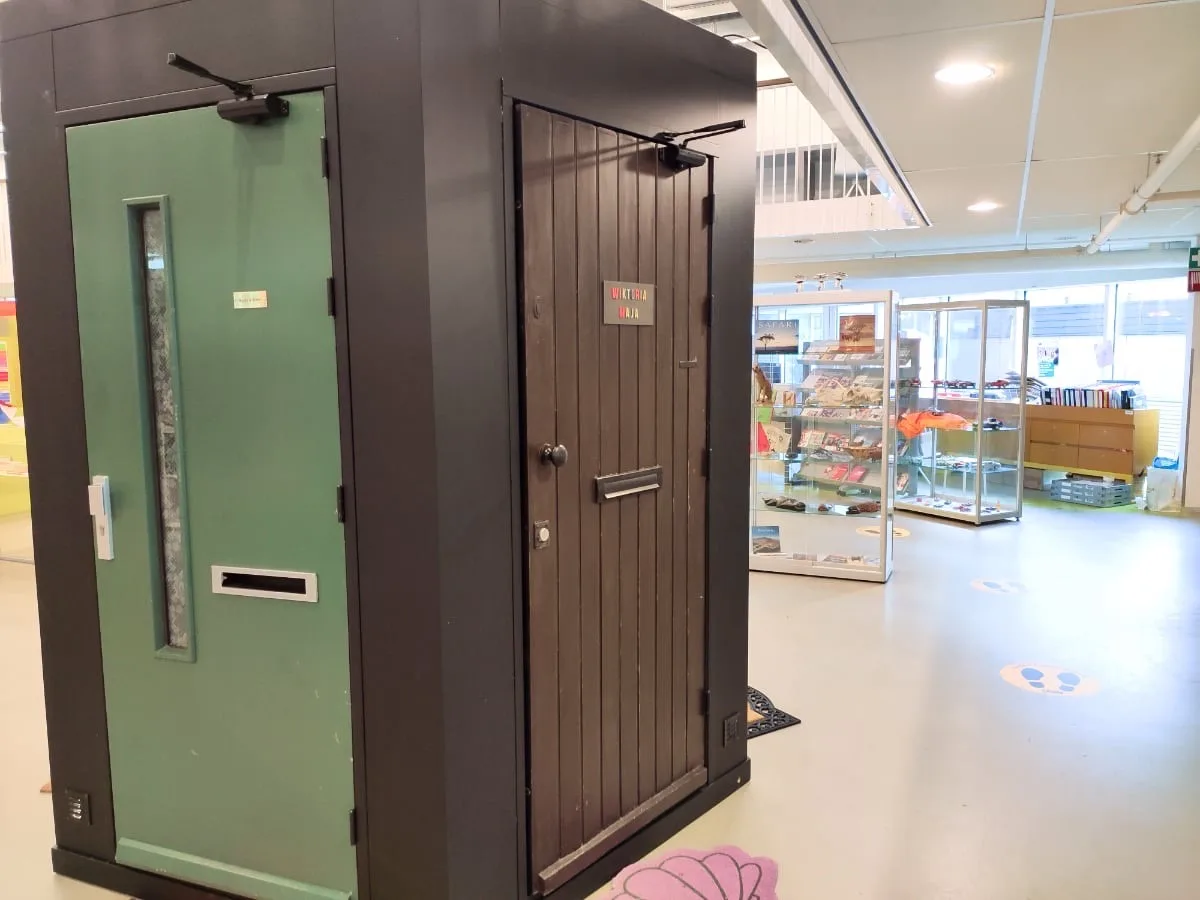
Sometimes the problem is a teenager carrying a knife on the way to school. A senior who has not been outside in months. A survivor of online abuse who has never heard anyone else say it out loud. Two neighbours who have lived next door for years and never spoken.
These are not problems technology solves on its own, and we do not pretend otherwise. What technology can do is create an encounter that would not otherwise happen: a conversation with a character who reacts to you, a room where you stand inside someone else's living room, a voice telling you what actually happened to them.
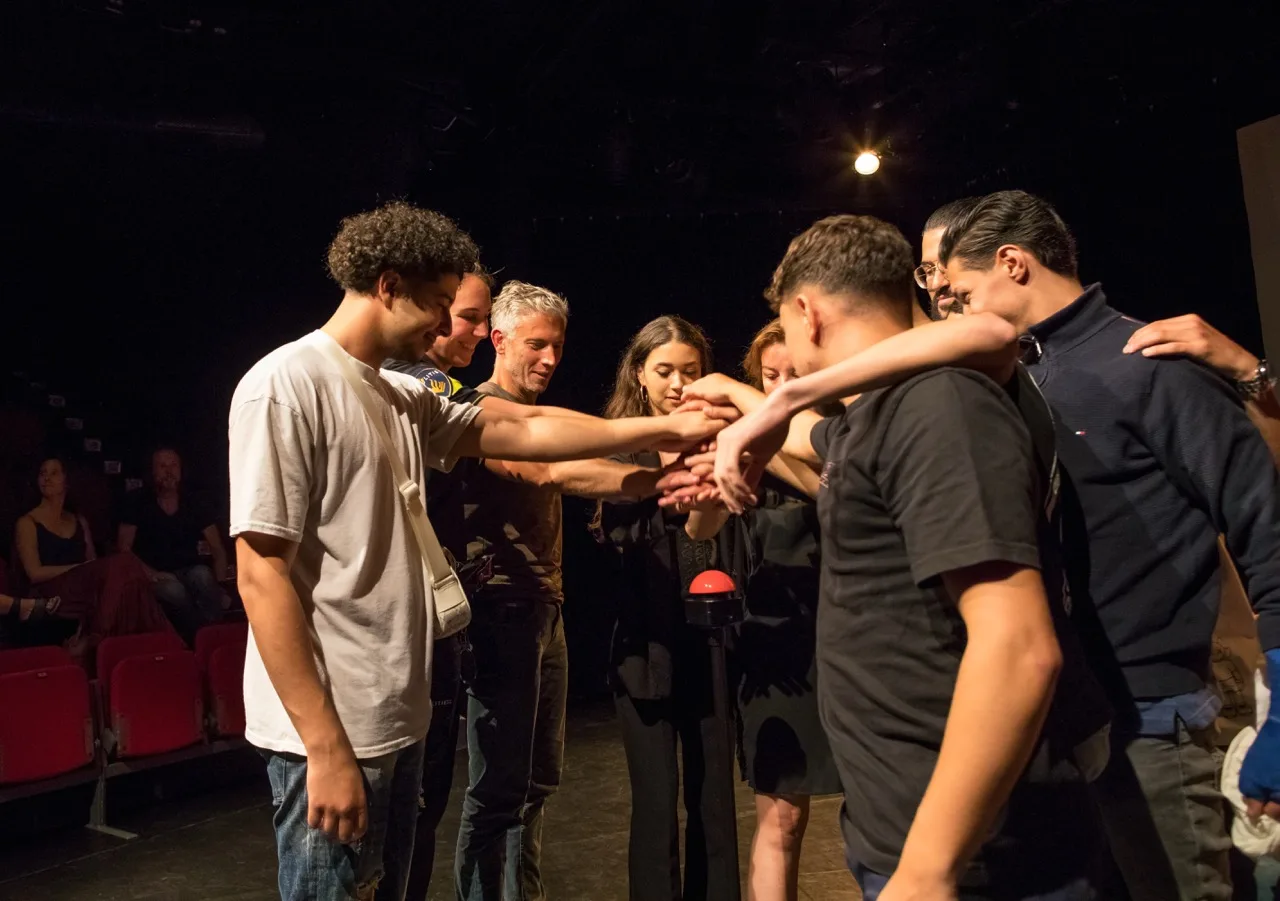
So this work is built the way our field hardware is: with the people it is for. Teenagers co-write the script. Survivors decide what gets told and how. Police, care staff and youth workers shape what a useful intervention looks like. We handle the narrative, the design and the engineering that carries it.
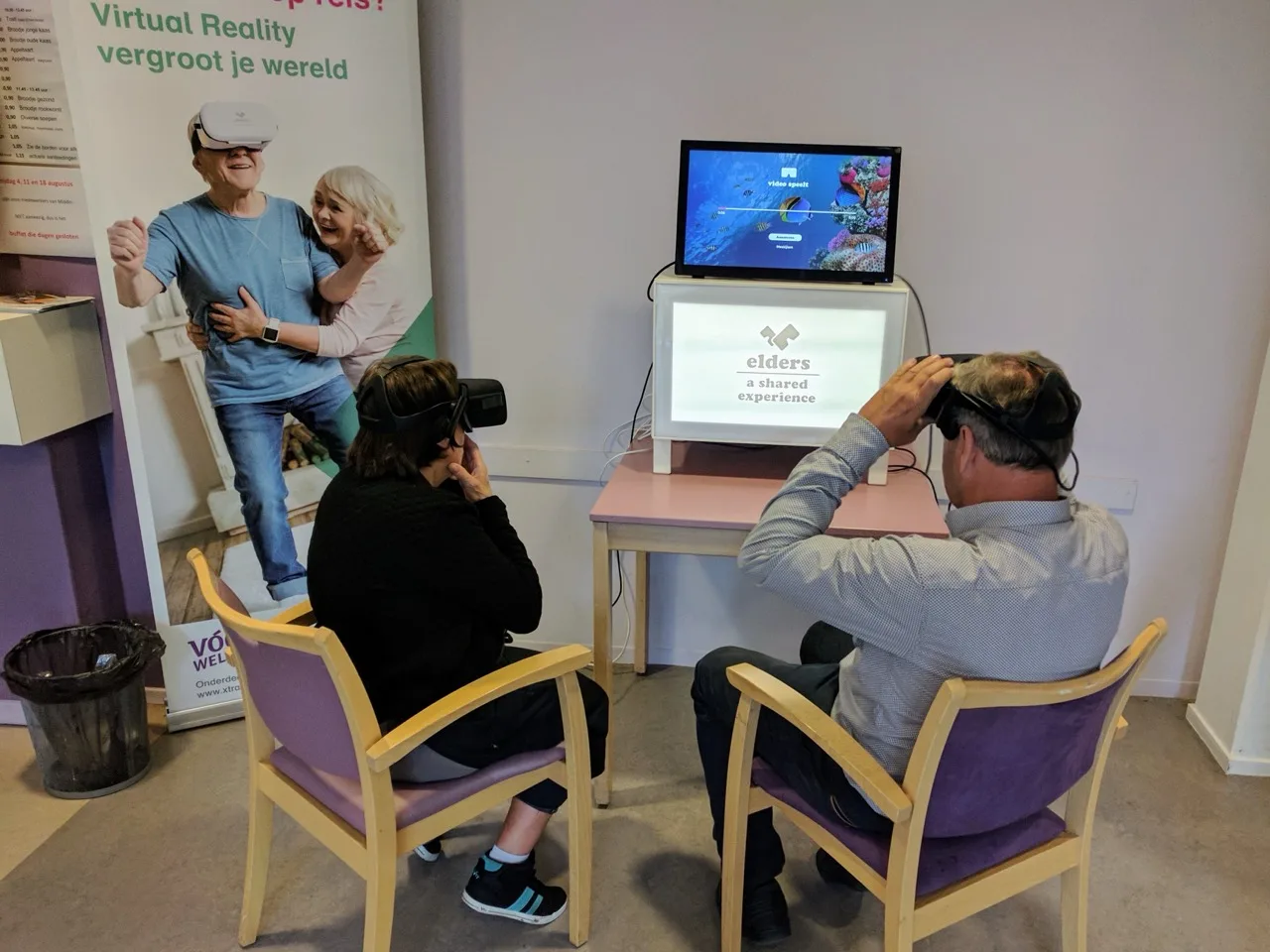
What makes a digital intervention land
The medium changes every time. The way we get there does not.
Co-create with the people involved
Teens, survivors, care staff, police, residents. They set the tone and hold veto over what gets said, because an intervention that does not ring true does nothing at all.
Pick the medium people already use
WhatsApp for teenagers, headset-free 360° rooms for elderly visitors, audio for stories that are hard to look at. Reach beats novelty every time.
No games, no gimmicks
Heavy subjects do not need gamifying. We strip everything that distracts from the story and let the material carry its own weight.
Build it to keep running
These projects live on after launch, in care homes, classrooms and community centres, so we build and hand over something a partner organisation can actually operate.
Social impact in the field
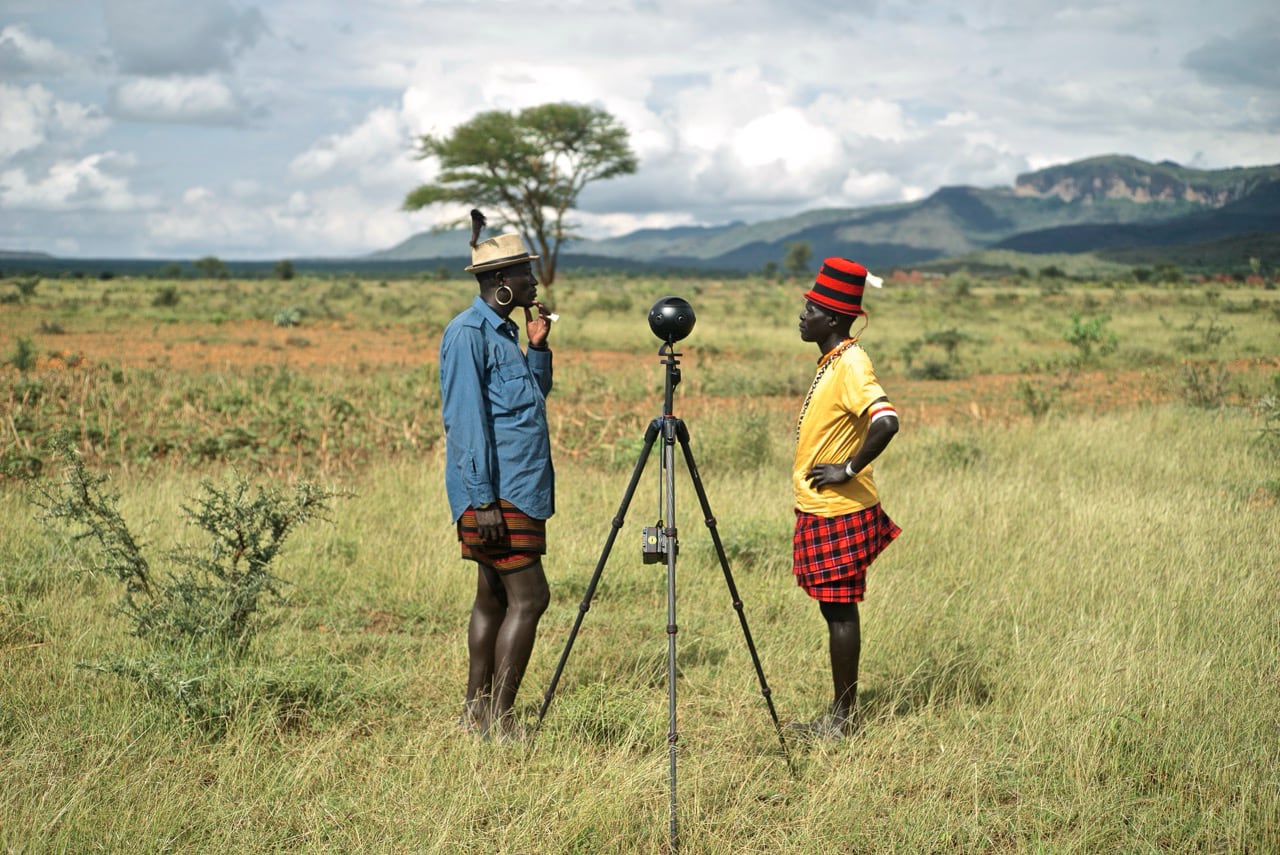
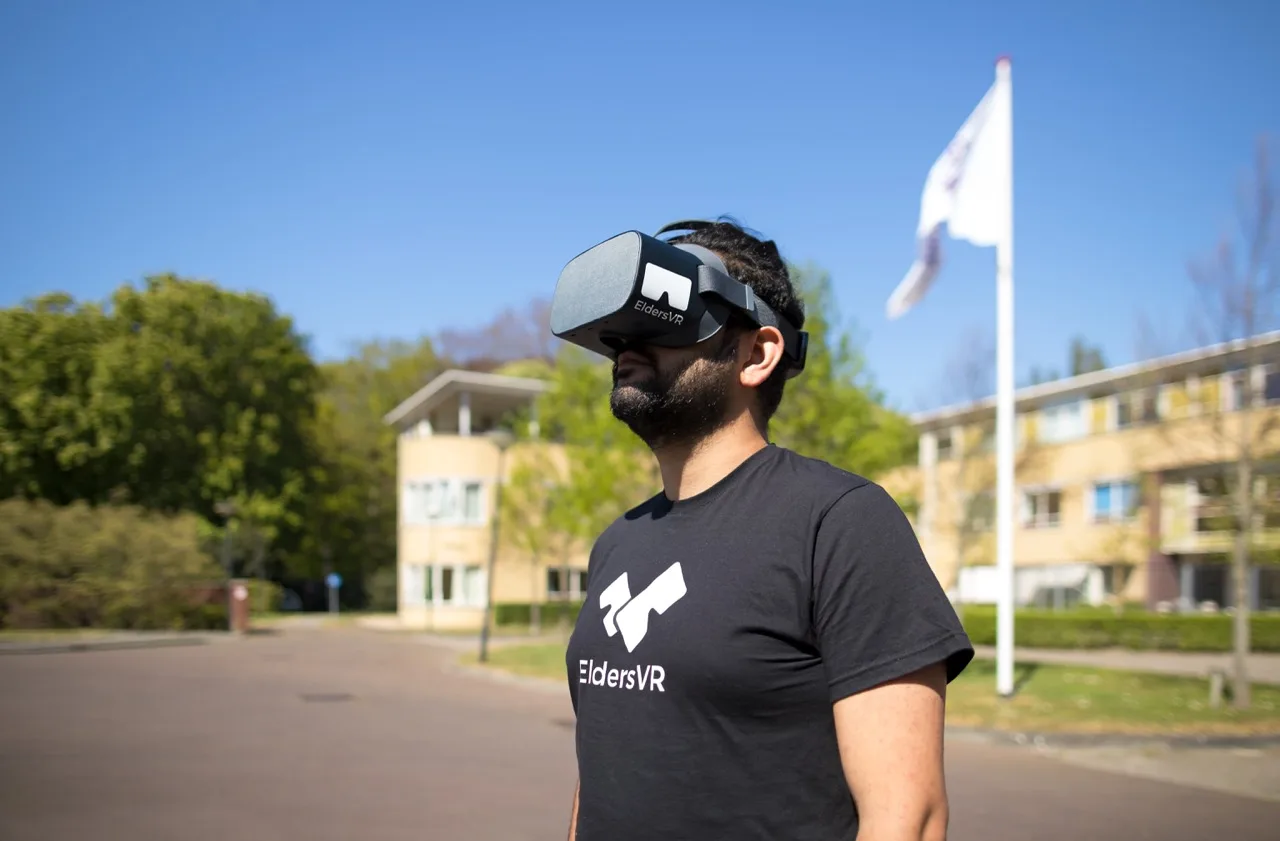
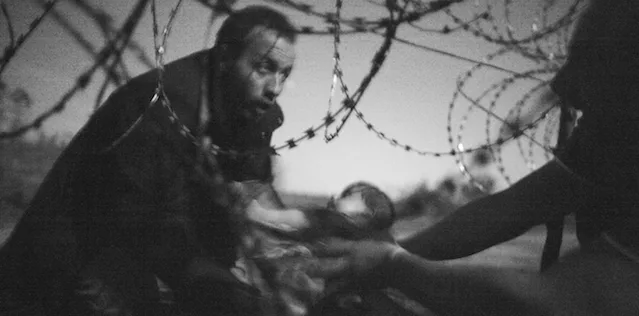
From care homes in The Hague to reconciliation between former fighters in Uganda.

Who we build this with
Municipalities, humanitarian organisations, victim-support funds and youth organisations: they bring the mandate, the network and the trust. We bring the engineering.





























Have a social challenge that needs more than a campaign?
If you work on youth violence, isolation, prejudice or abuse and think an interactive experience could reach people a leaflet never will, tell us about it.