ScannerEdge

Passive radio-frequency detection that warns rangers about people in places they shouldn't be.

ScannerEdge
The problem

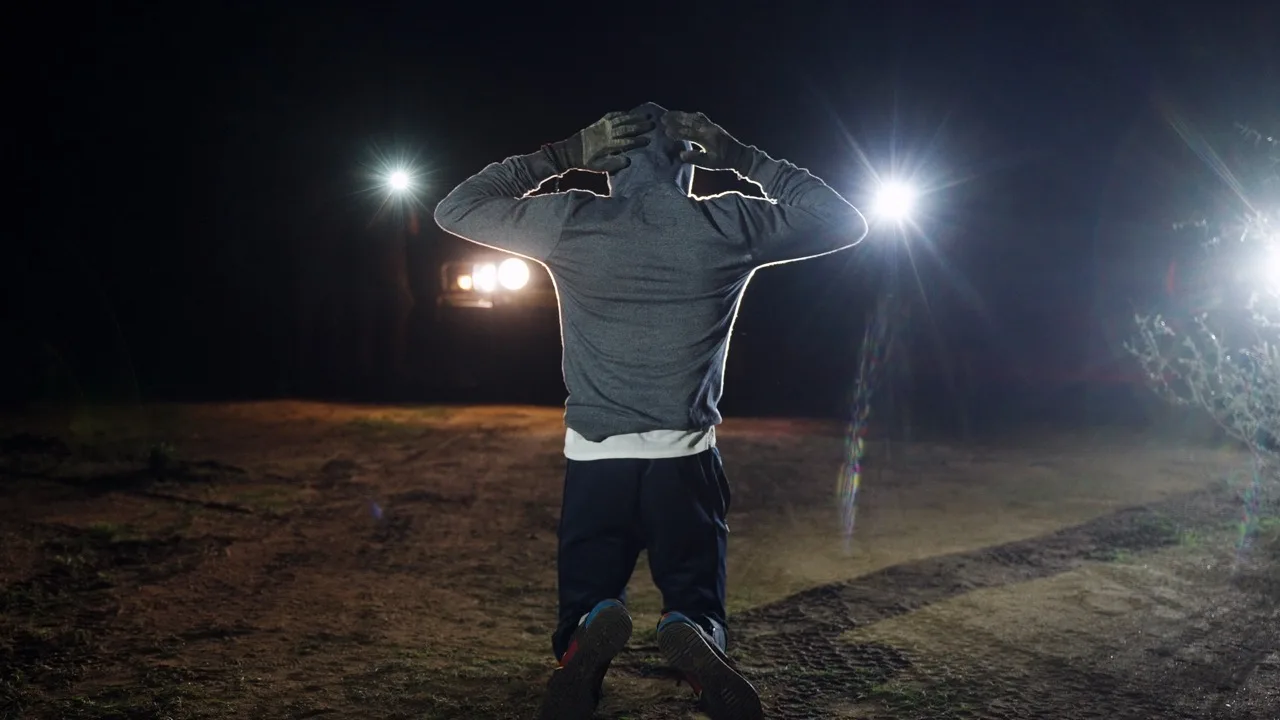
Rangers patrol vast protected areas where poachers move silently and at night. Cameras and motion sensors miss covert activity, drones are loud and expensive, and patrols can't be everywhere at once. Early warning is the difference between responding from a safe distance and stumbling into an active incident.

What it does

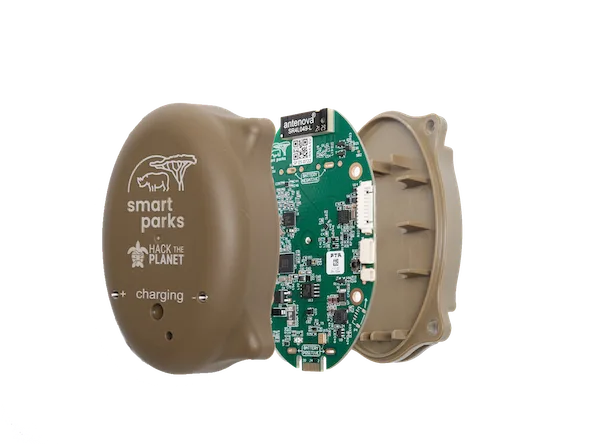
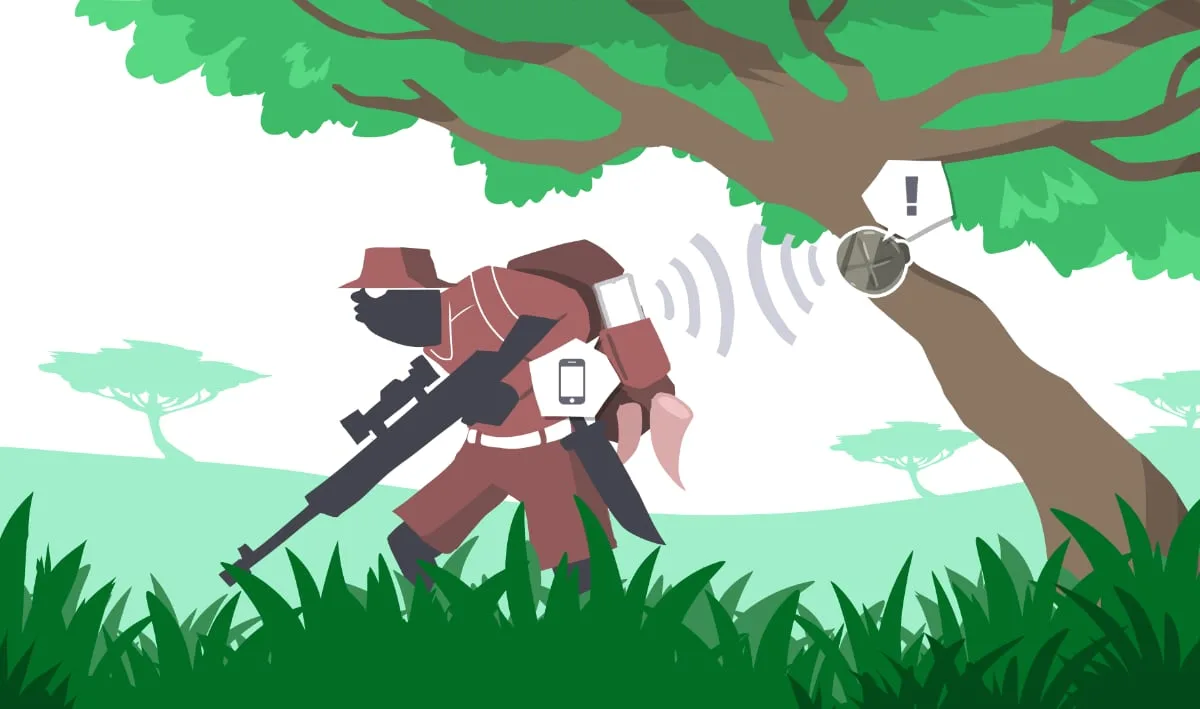
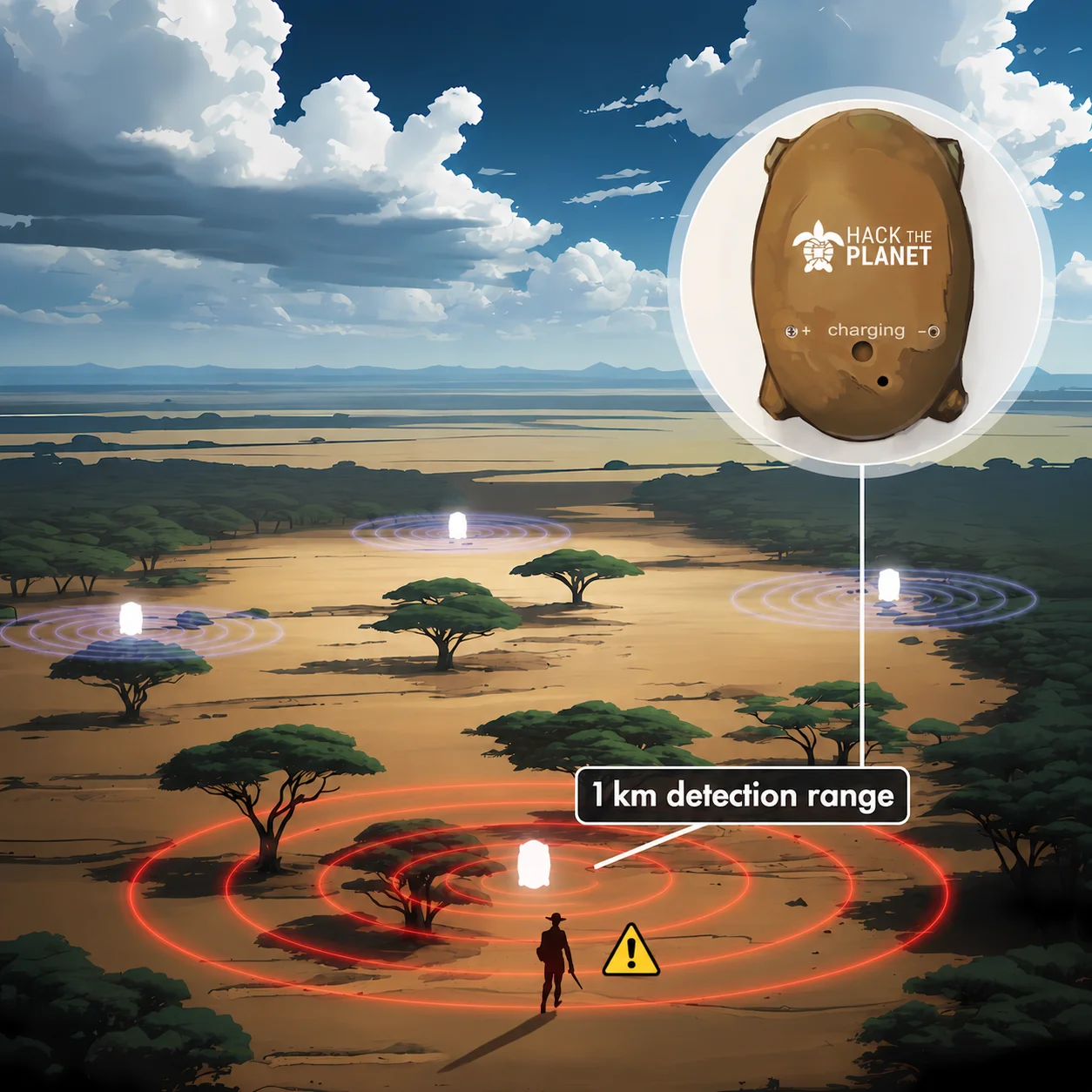
ScannerEdge is a passive human-presence detection system designed for anti-poaching and conservation operations. Instead of cameras or motion sensors that can miss covert activity, it listens for the radio-frequency signals that mobile phones, satellite phones and walkie-talkies unavoidably emit.

When the unit picks up a signal where there shouldn’t be one, it sends an alert to rangers — often hours before a poacher would otherwise be detected. Because it never decodes the signal or collects personal data, it works within the bounds of privacy regulations.
Why we built it

ScannerEdge was developed because traditional monitoring tools weren’t enough. Cameras only see what’s in front of them. Motion sensors trigger on every animal that walks past. Drones are loud, expensive and don’t run all night.

Rangers we worked with were taking real risks to walk patrol routes that might or might not have something on them. They needed something that could quietly listen, all day, for the one signal that actually matters — and tell them about it without giving anything away.

ScannerEdge is part of Hack The Planet’s mission to deliver practical, field-proven technology that supports conservation where it matters most — on the ground.

Field-built capabilities

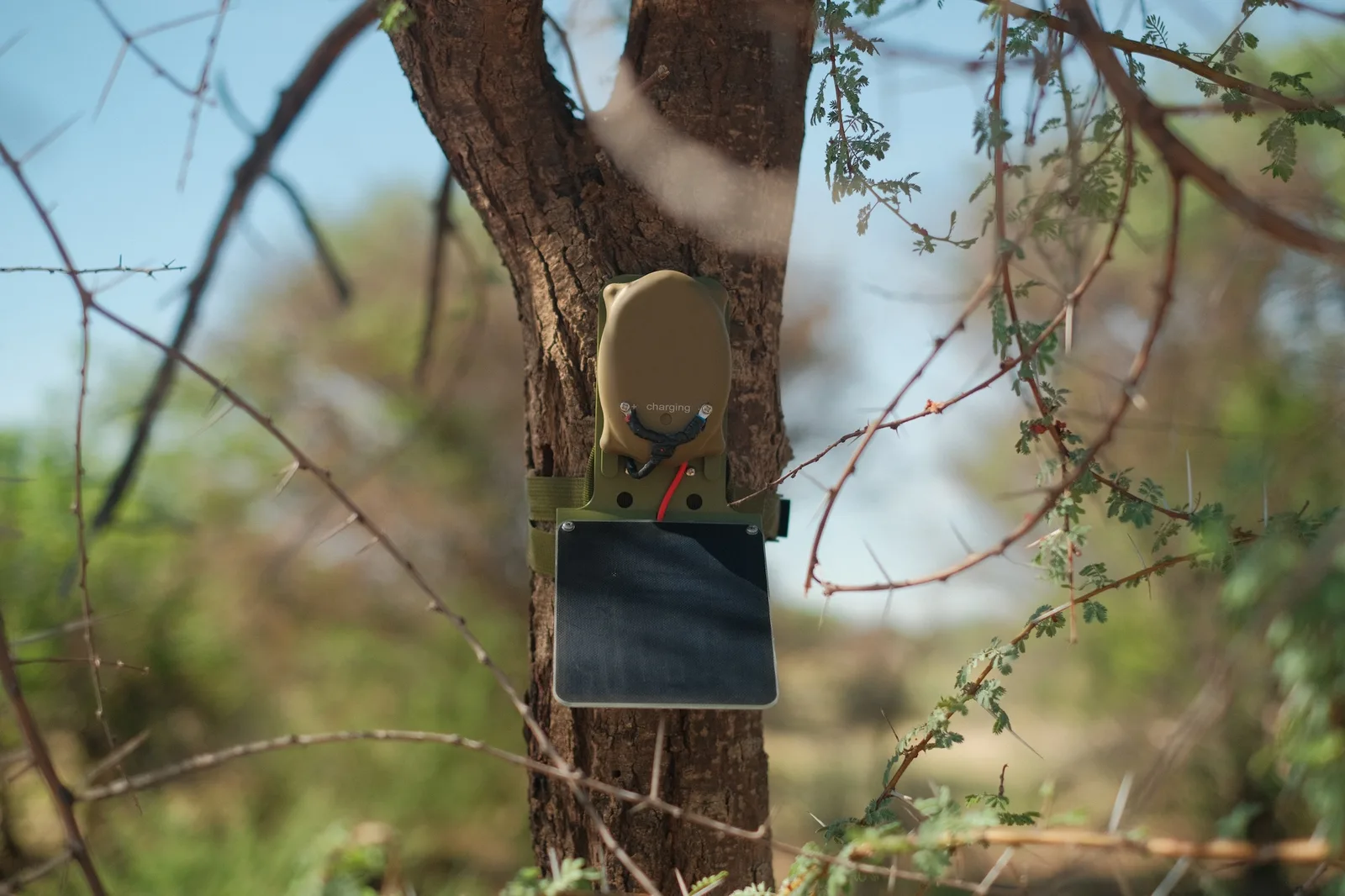
ScannerEdge runs unattended for months in remote, demanding environments — quietly listening and giving rangers the information they actually need.

Passive RF detection

Listens for emissions from mobile, satellite and walkie-talkie devices. No active scanning, no personal data collected.

Long-range coverage

Detects activity within a ±1 km radius, varying with terrain and vegetation.

Real-time alerts

Pushes notifications to rangers the moment activity is picked up — they choose when and how to respond.

Solar-ready, low-power

Optimized for off-grid deployment with minimal maintenance. Months of unattended operation.

Remote management

Configure, tune and monitor every unit from a phone or browser. No need to visit the device.

Rugged enclosure

Built for heat, dust, rain and curious wildlife. Tested in southern African parks since 2018.

Satellite & LoRaWAN backhaul

Works where cellular doesn't. Backhaul over LoRaWAN local network or Iridium satellite.

Field-proven

Refined across multiple ranger deployments — not designed in a lab.

Why ScannerEdge

There are plenty of camera traps and motion sensors. Here's why ScannerEdge is different.

01

Privacy-respecting by design

We never decode signals or collect personal data. Just detect that a device is present, and tell the rangers.

02

Built with the people who use it

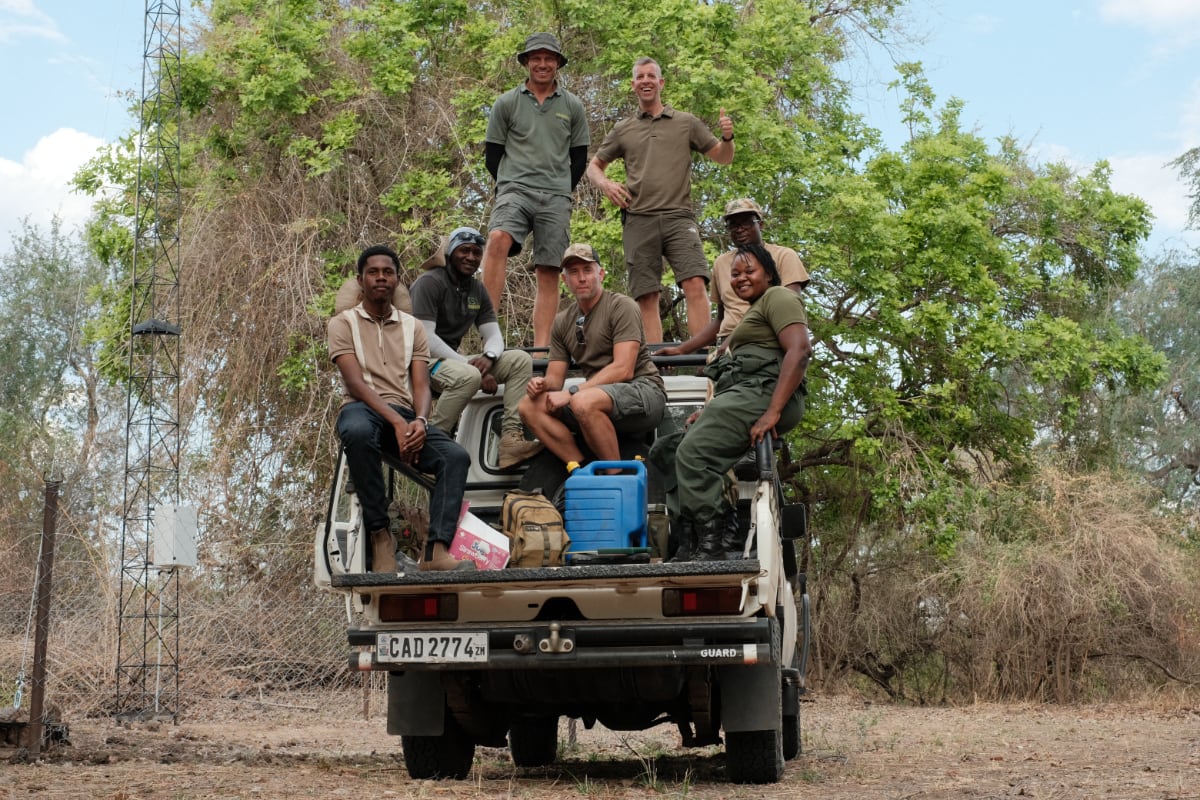
Co-developed and refined with ranger teams in Zambia, Namibia and Zimbabwe. Every iteration shipped from a real field season.

03

Six seasons of active deployment

Running in real anti-poaching operations across southern Africa since 2019 — through dust, heat and the occasional curious elephant. Every season surfaces something new; the next firmware revision absorbs it.

Want to deploy ScannerEdge in your park?

We work with rangers, NGOs and protected-area managers. Tell us about your situation — we'll see if ScannerEdge is the right fit.