Human-wildlife conflict and food security
Where wildlife and farming share the same ground, they collide. The bill lands with families who live off that land.
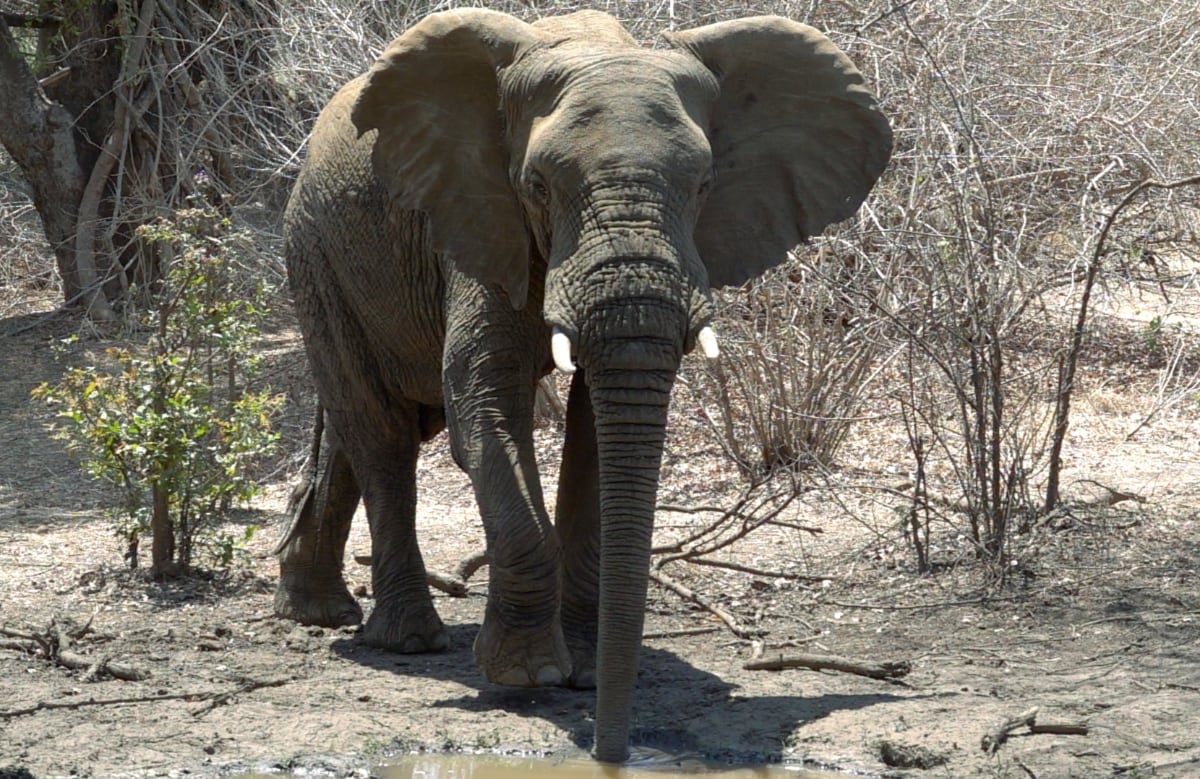
Where wildlife and farming share the same ground, they collide. A herd of elephants destroys an entire harvest in a single night. Bears walk into mountain villages. The bill lands with families who live off that land, and eventually with the animals themselves, killed in retaliation.
Wherever protected land meets farmland, villages and smallholdings sit right up against wildlife corridors and park boundaries. As populations inside the parks recover and habitat outside them shrinks, the encounters get more frequent. For a family living off that land, a herd in the field is not crop damage, it is the income and the food for the rest of the year. And it does not stop at the harvest: people get injured, and there are deaths on both sides.
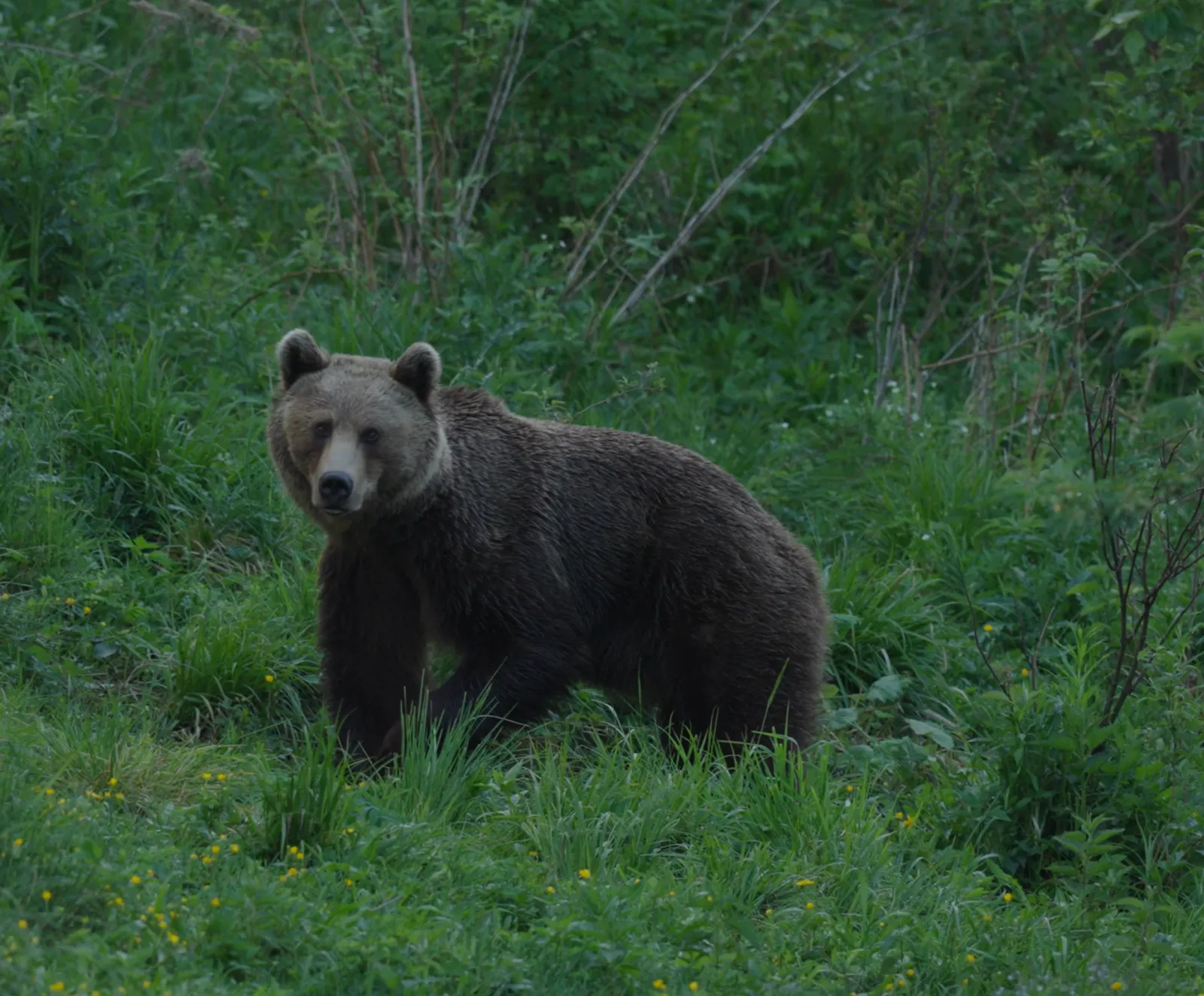
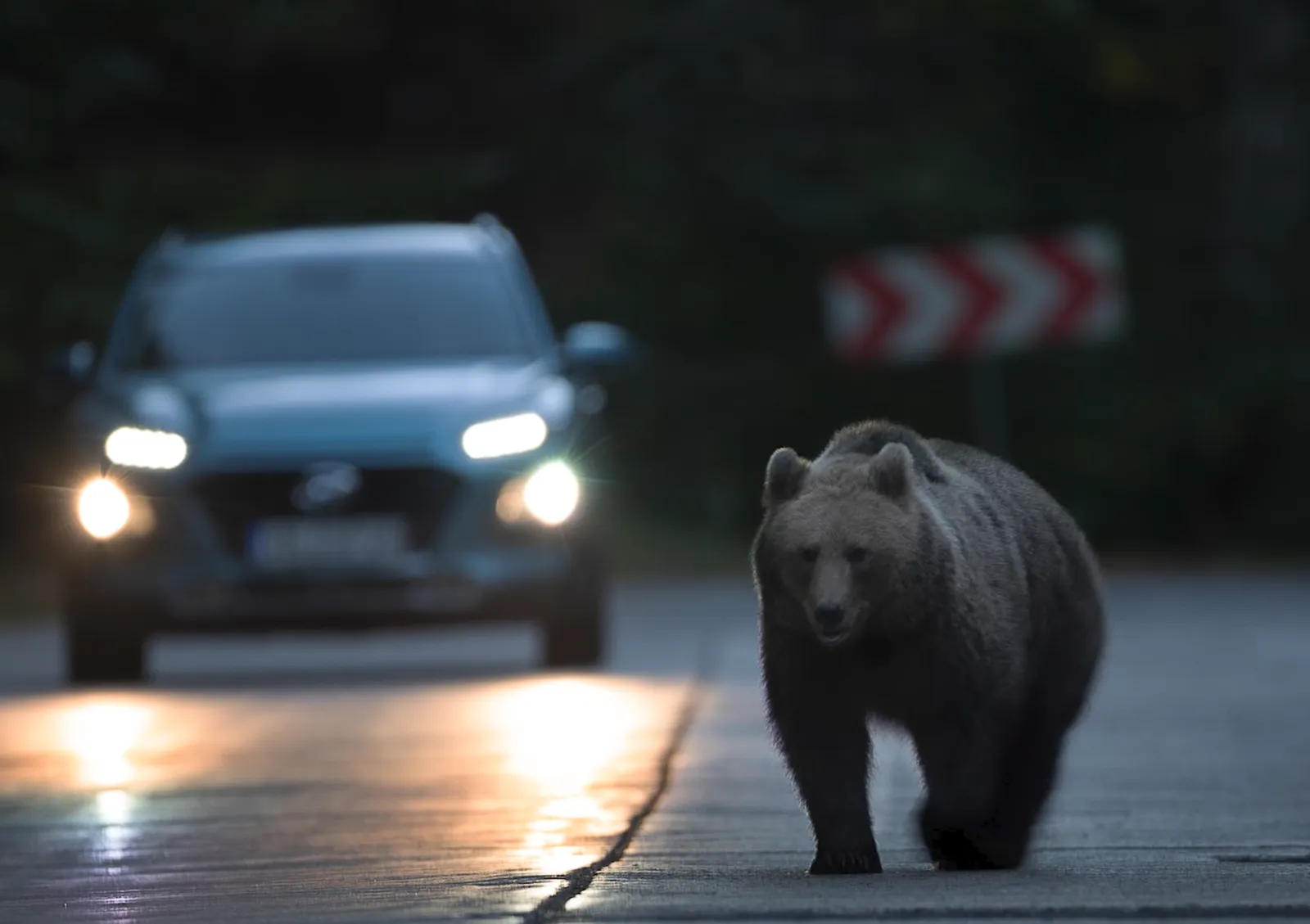
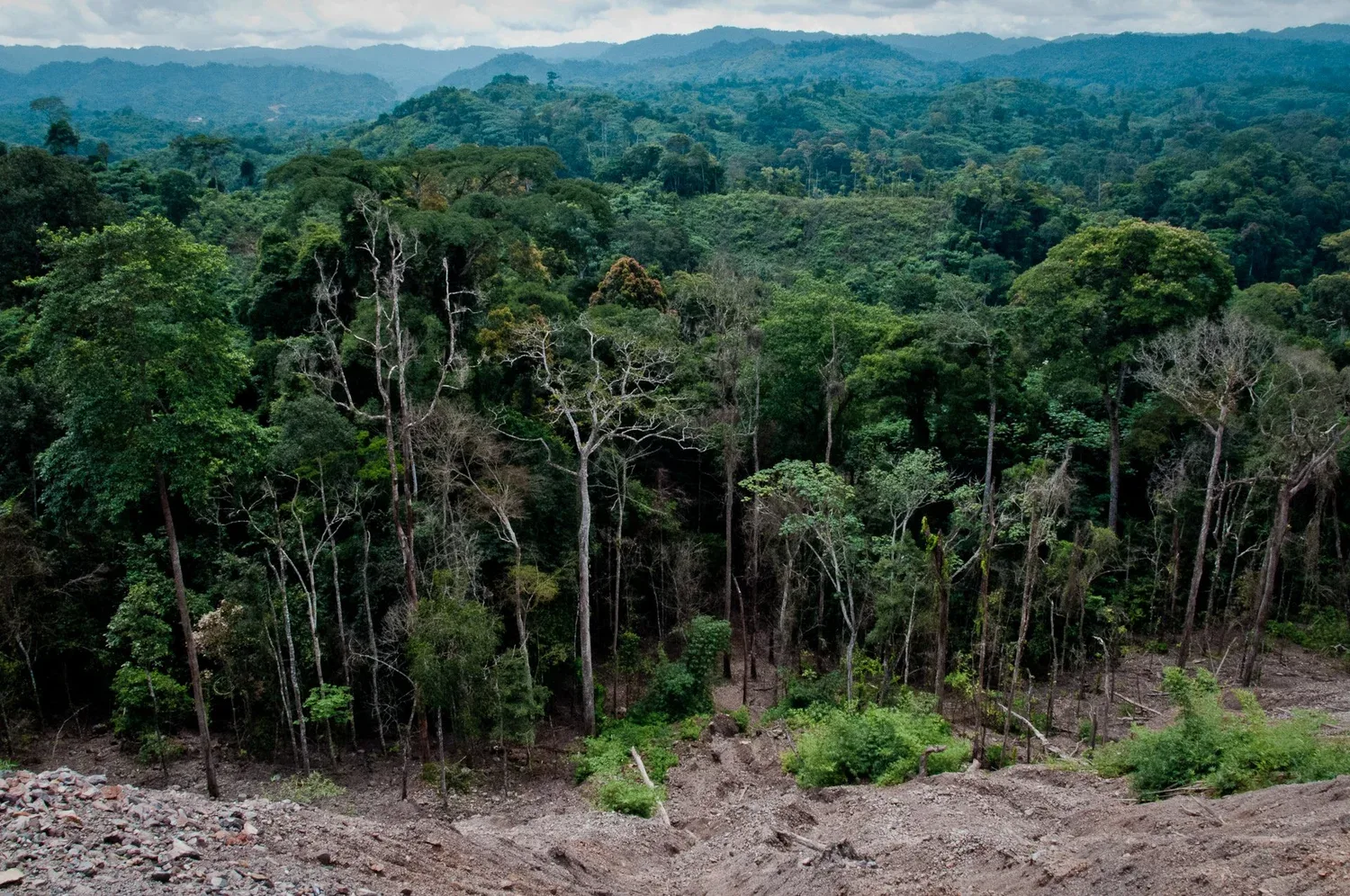
Bears in European mountain regions do the same thing for the same reason. Their forest is shrinking and natural food is getting scarcer, so they come into the villages after bins, fruit trees, beehives and livestock. Every species behaves differently, but the pattern underneath holds. An animal that finds an easy meal once comes back.
And it builds. Every incident lowers tolerance in the village, and the bill ends up with the animal: problem bears get shot or relocated, elephants get killed in retaliation. Meanwhile the means to contain it are thin. Fences get pushed over or fall into disrepair. Villages put people on watch at the fields at night, season after season. That is labour nobody can keep supplying, and in the wrong place it is dangerous as well.
What we built for it
The Smart Deterrent ties detection to response. When an AI camera recognises an animal near a village or a field, the system fires light and sound drawn from a large library, in a different combination every time. That unpredictability is the point. An animal learns to ignore a fixed pattern, but it cannot learn its way around one that changes on every encounter.
It runs non-lethally, on solar power, and nobody has to stay awake at night. We tune the deterrents per species, because an elephant and a brown bear respond to different things.
Detection and response both run autonomously, on their own LoRa network where there is no cell coverage. That lets the system sit on a park boundary or in a mountain valley for months without anyone having to go out to it.
What we deploy
 Product
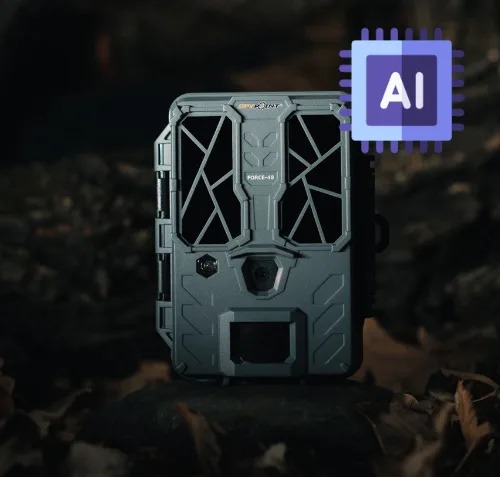
Instant Detect
Protect wildlife faster, smarter, anywhere: AI camera traps that send images via satellite, in near-real-time.
Explore Instant Detect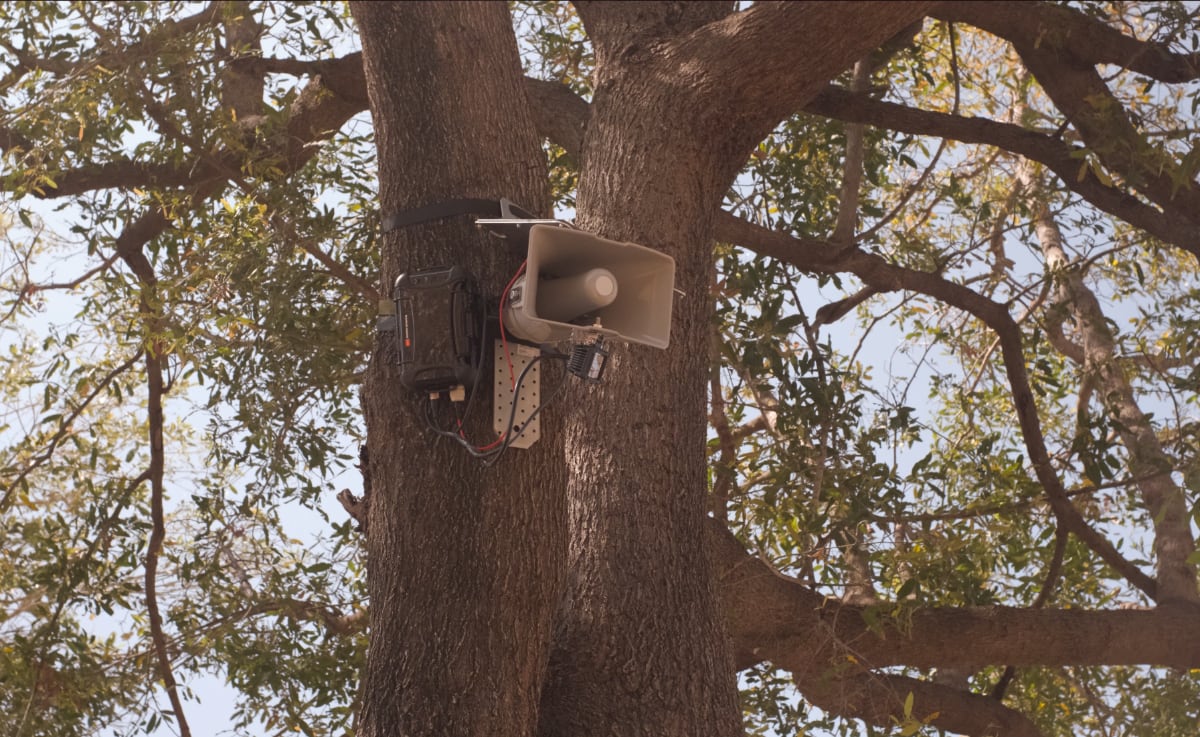 Product
Smart Deterrent
An AI-triggered, non-lethal deterrent that keeps wildlife, and the people sharing their landscape, out of harm's way.
Explore Smart DeterrentWhere it runs today
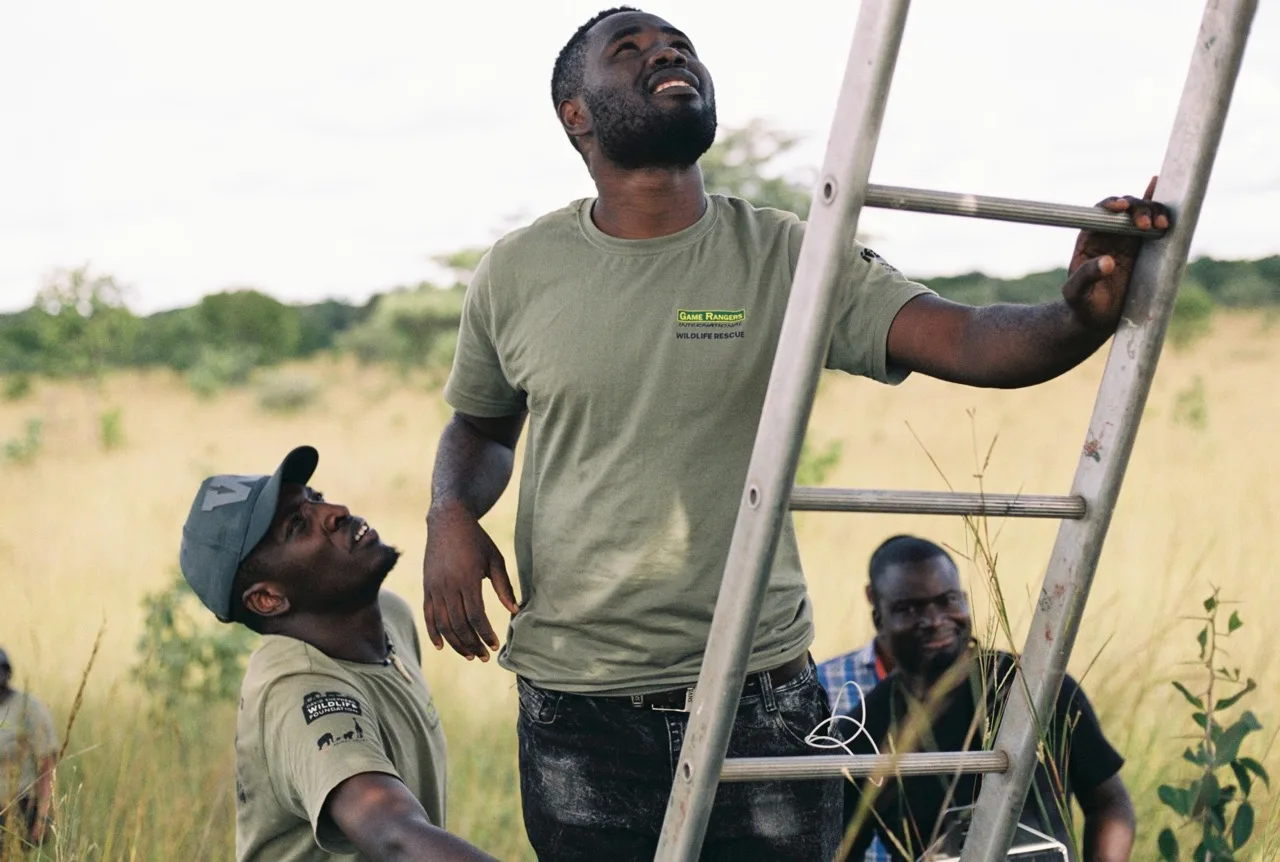
Elephants in Zambia and brown bears in the Carpathians, alongside the organisations managing those landscapes.
Who we do it with
Conservation organisations, park authorities and universities working on coexistence with the communities who carry the consequences.

Foundation Conservation Carpathia
Building Europe's largest forest-restoration project across the Romanian Carpathians. We collaborate specifically on human-bear conflict: detecting bears around mountain villages and keeping them at distance with our Smart Deterrent.
Visit website →
Game Rangers International
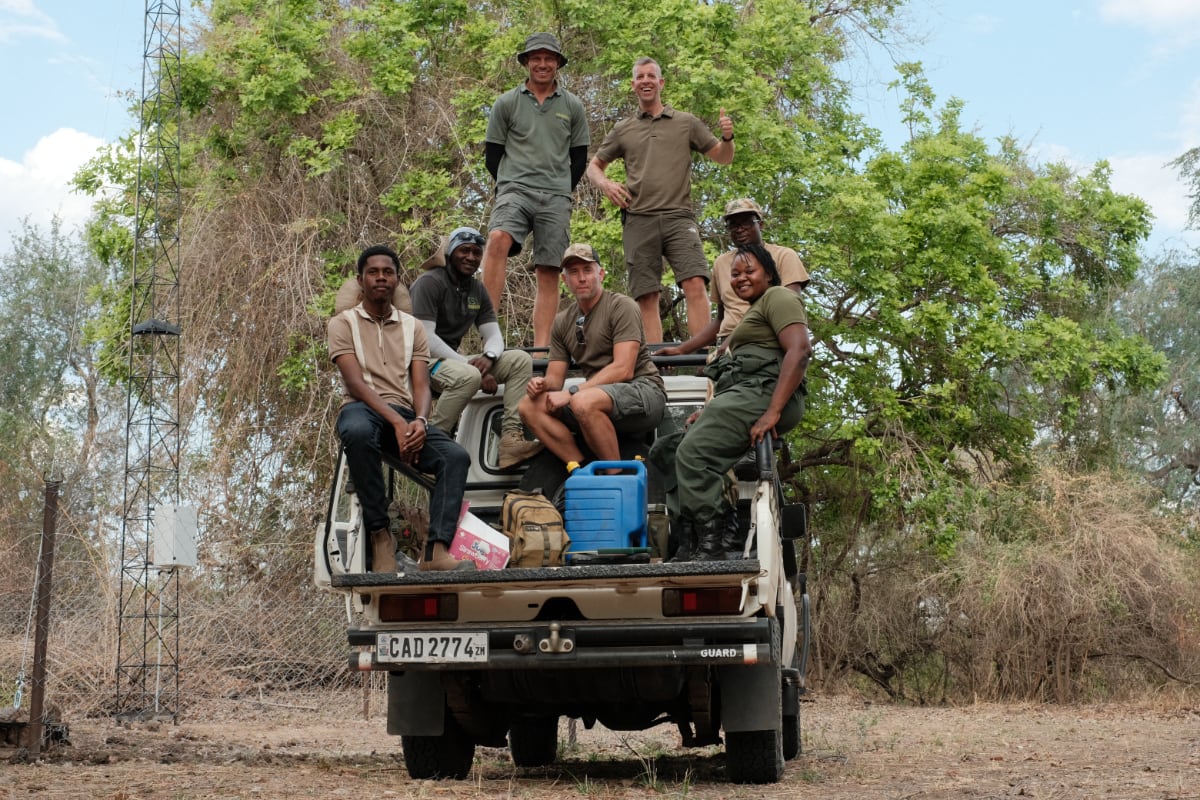
Runs ranger-led wildlife protection in Zambia's Kafue ecosystem. They host our anti-poaching deployments and turn the signals our hardware generates into action on the ground.
Visit website →
Green Safaris
Green Safaris combines low-impact tourism with active conservation in southern Africa. They host Hack The Planet deployments in Zambia and contribute the local knowledge and logistics no remote operation can do without.
Visit website →
University of Leeds
UK research university. We partner on the long-term ecological questions our field deployments are designed to help answer.
Visit website →The other conservation themes
Dealing with conflict between people and wildlife?
Every landscape and every species behaves differently, so we start with your ecologists and the communities involved before a single camera goes up.