
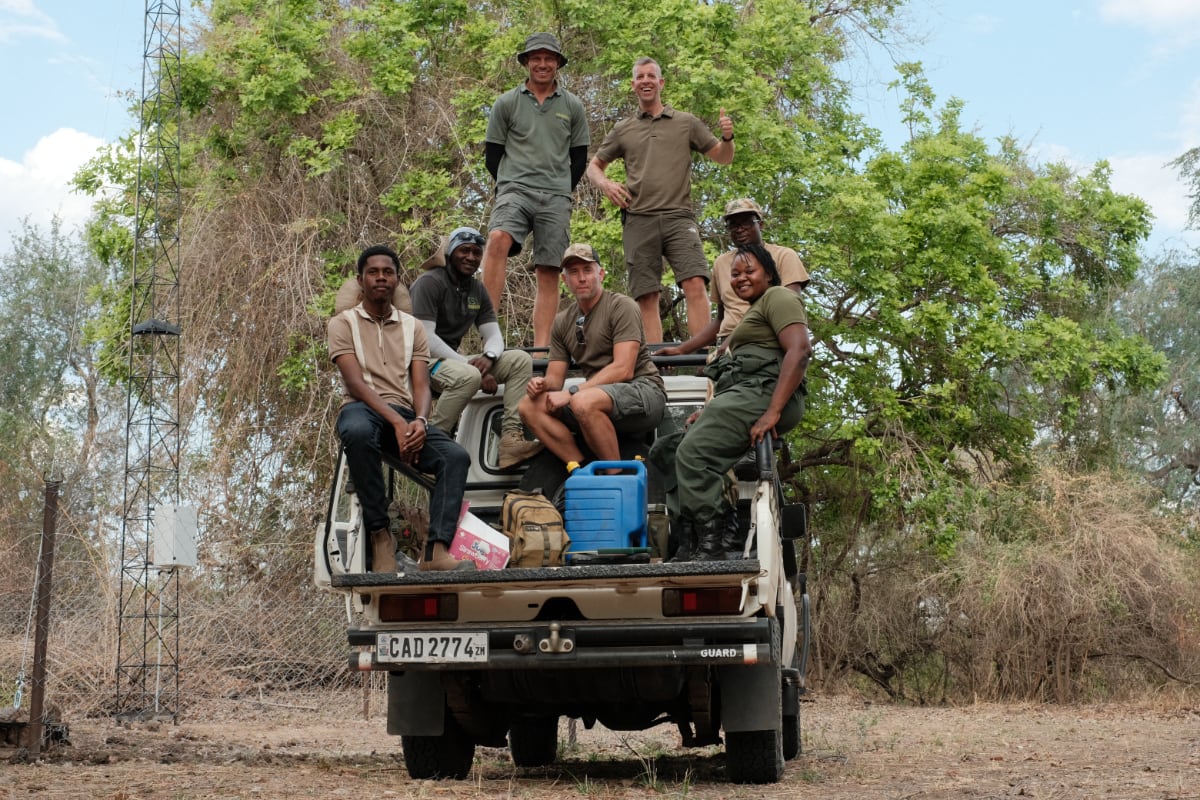
Anti-poaching
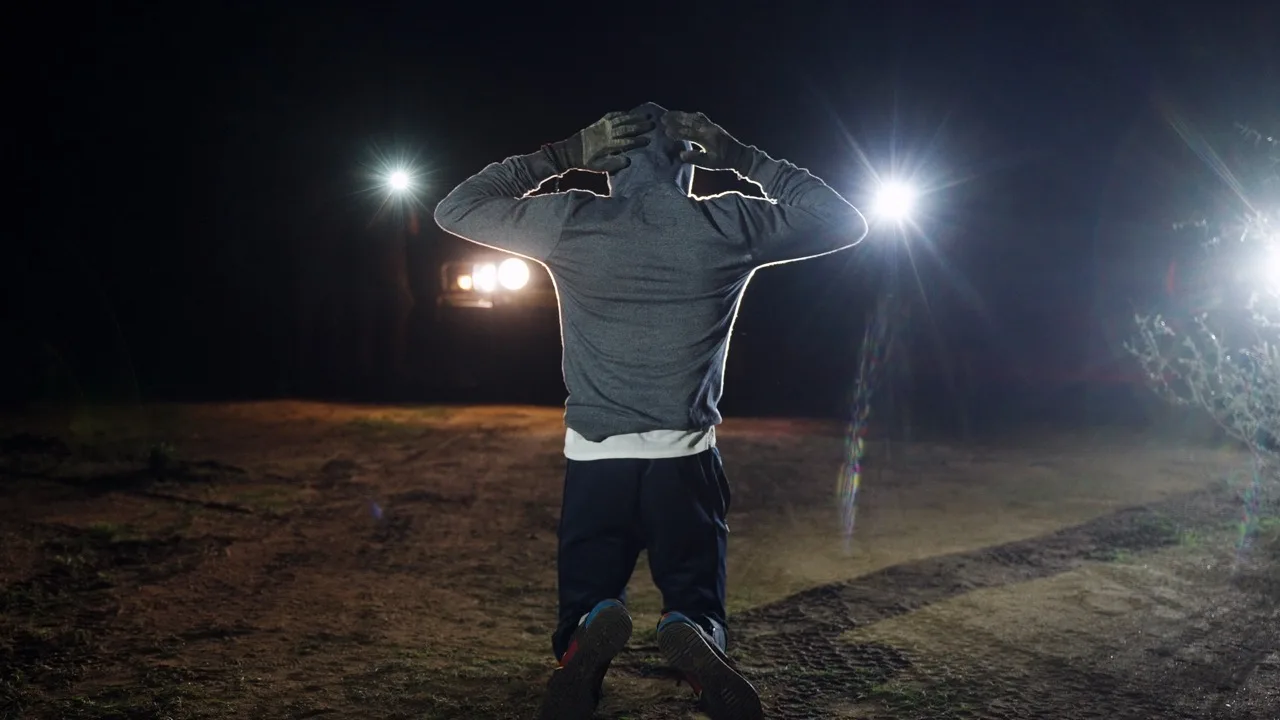
Poachers move at night, across areas far too large to watch.
Poachers move at night, across areas far too large to watch. So rangers walk into an area without knowing what is waiting for them.
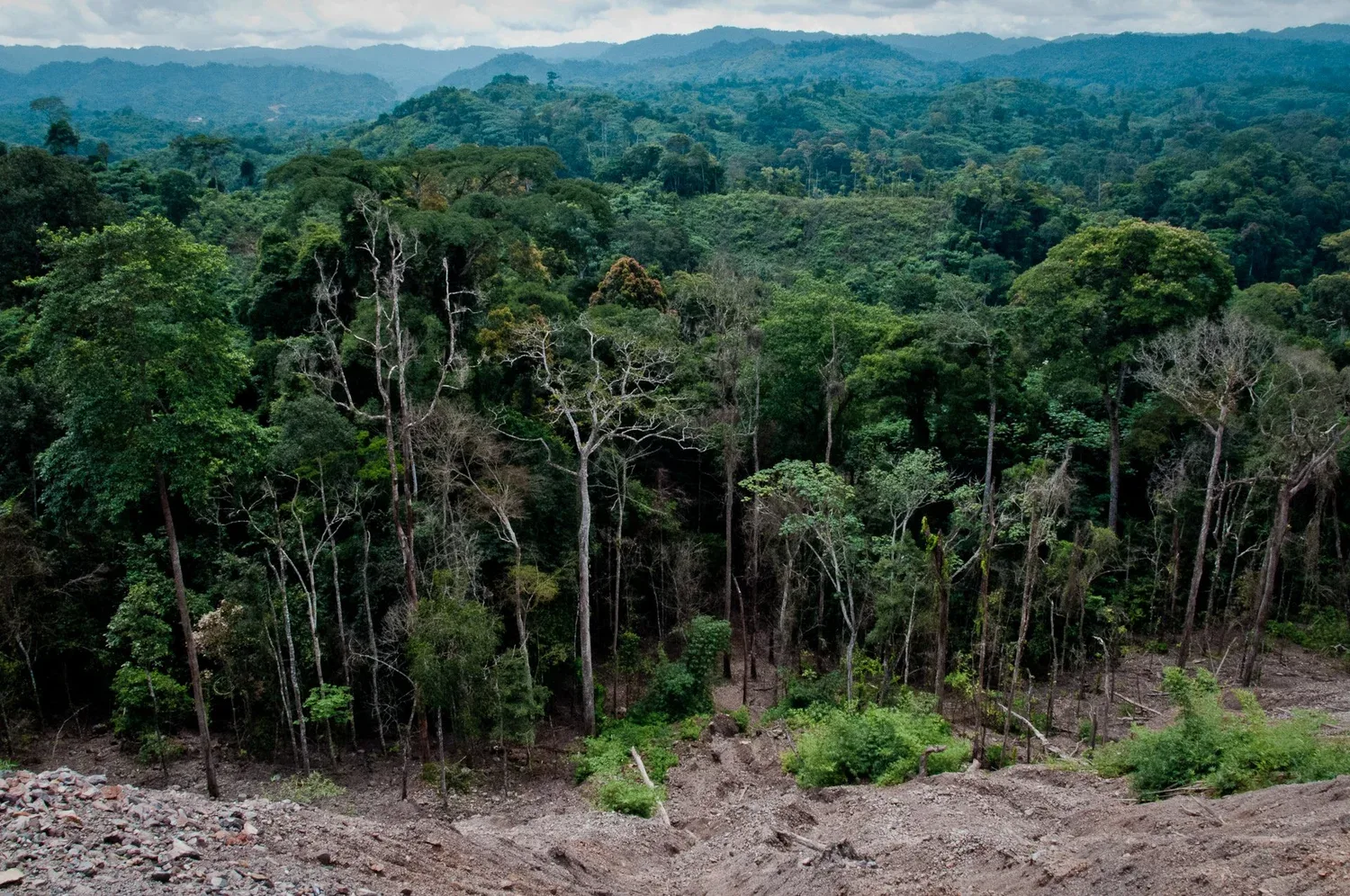
Protected areas are big, often thousands of square kilometres, and the teams guarding them are small. A patrol covers a fraction of that in a night, on foot or along the handful of routes a vehicle can take. In many parks only a small share of the area is actively patrolled, and anyone who knows where the patrols go also knows where they don't.
Poaching there is not an incident but an industry. The global trade in ivory, horn and bone runs into tens of billions of dollars a year, and the people who walk into the bush are the bottom link of a chain that reaches far beyond the park. They move through the area for days at a time, kill several animals and pass the location to accomplices who collect. Arrested poachers are often back out within weeks.
Rangers are rarely short of things happening. What they are short of is hearing about them in time. Tracks turn up the next morning, a gunshot is only heard if someone happens to be nearby, and a carcass mostly tells you what already went wrong. Camera traps and sensors do help here, but they watch a single point: you have to know in advance where someone will pass. Across thousands of square kilometres, that is the one thing nobody can tell you.
What we built for it
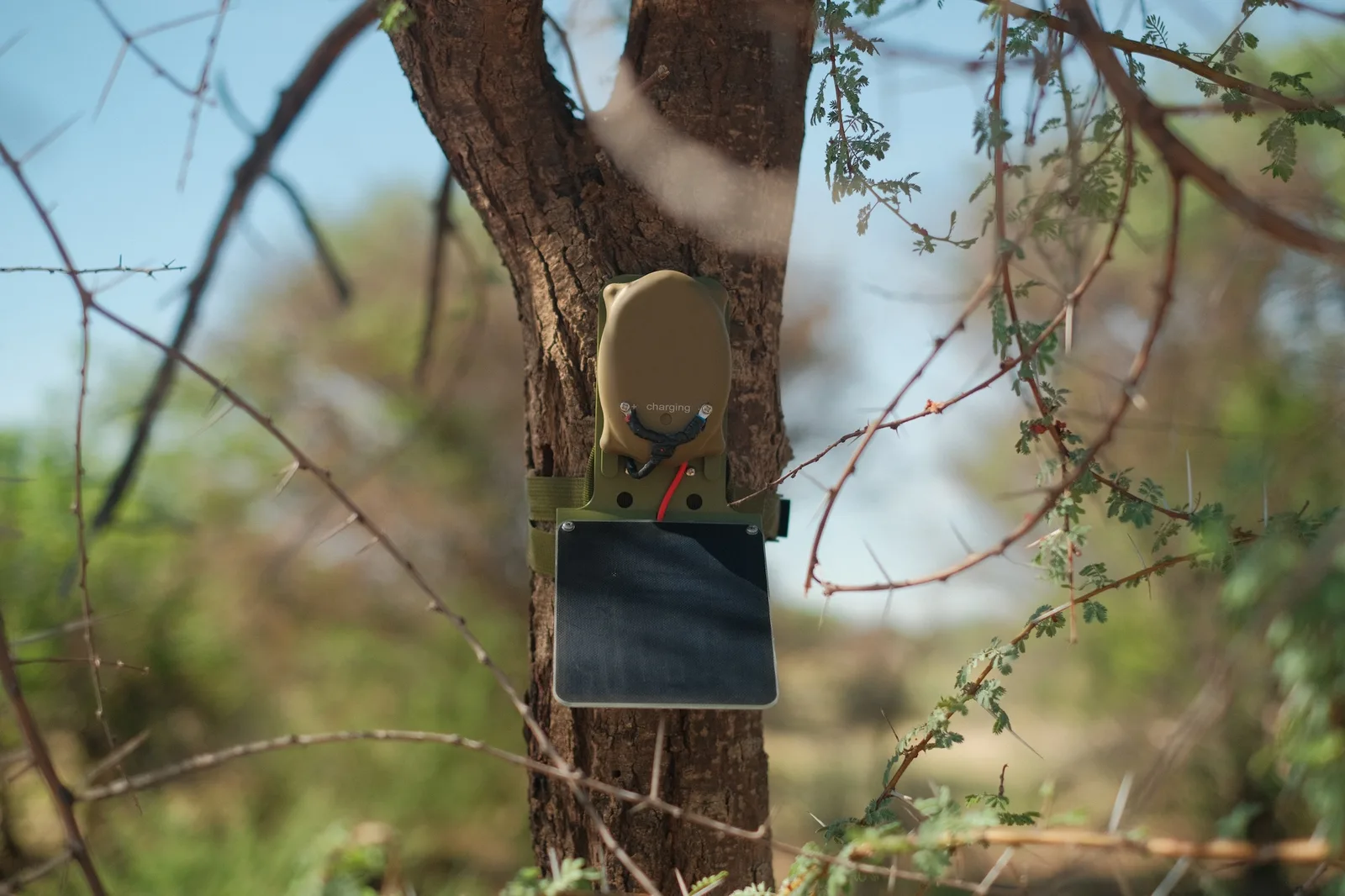
ScannerEdge listens passively for the radio signals that phones, satellite phones and two-way radios inevitably emit, even when nobody is using them. It detects human presence up to roughly a kilometre away and warns rangers hours before tracks or gunshots would.
Signals are never decoded and no personal data is recorded. The sensor establishes that a device is present, nothing more. Because it transmits nothing itself it cannot be detected or jammed, and it runs for months on solar power in a tree.
In most of the parks where we work there is no network to carry an alert. So we lay that down too: a LoRaWAN backbone with gateways on radio masts, or satellite where that is not an option, so a detection reaches the ranger post within seconds.
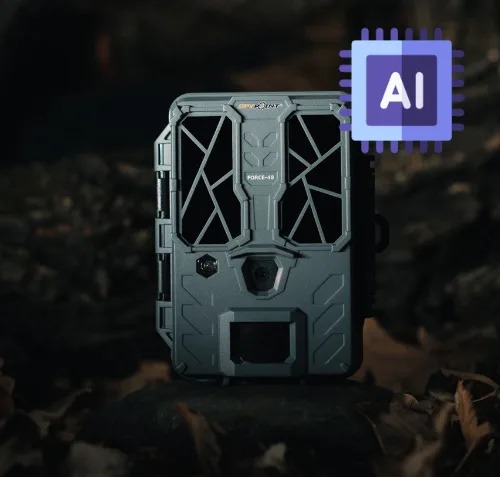
Alongside it we deploy Instant Detect at the places where you know someone has to pass: a river crossing, a gate, a path through the fence line. Those cameras recognise people with AI on the device itself and forward only that one image. So ScannerEdge gives the early signal that someone is there, and the camera shows who or what. Between them, a team has enough to send out a patrol on.
What we deploy
Where it runs today
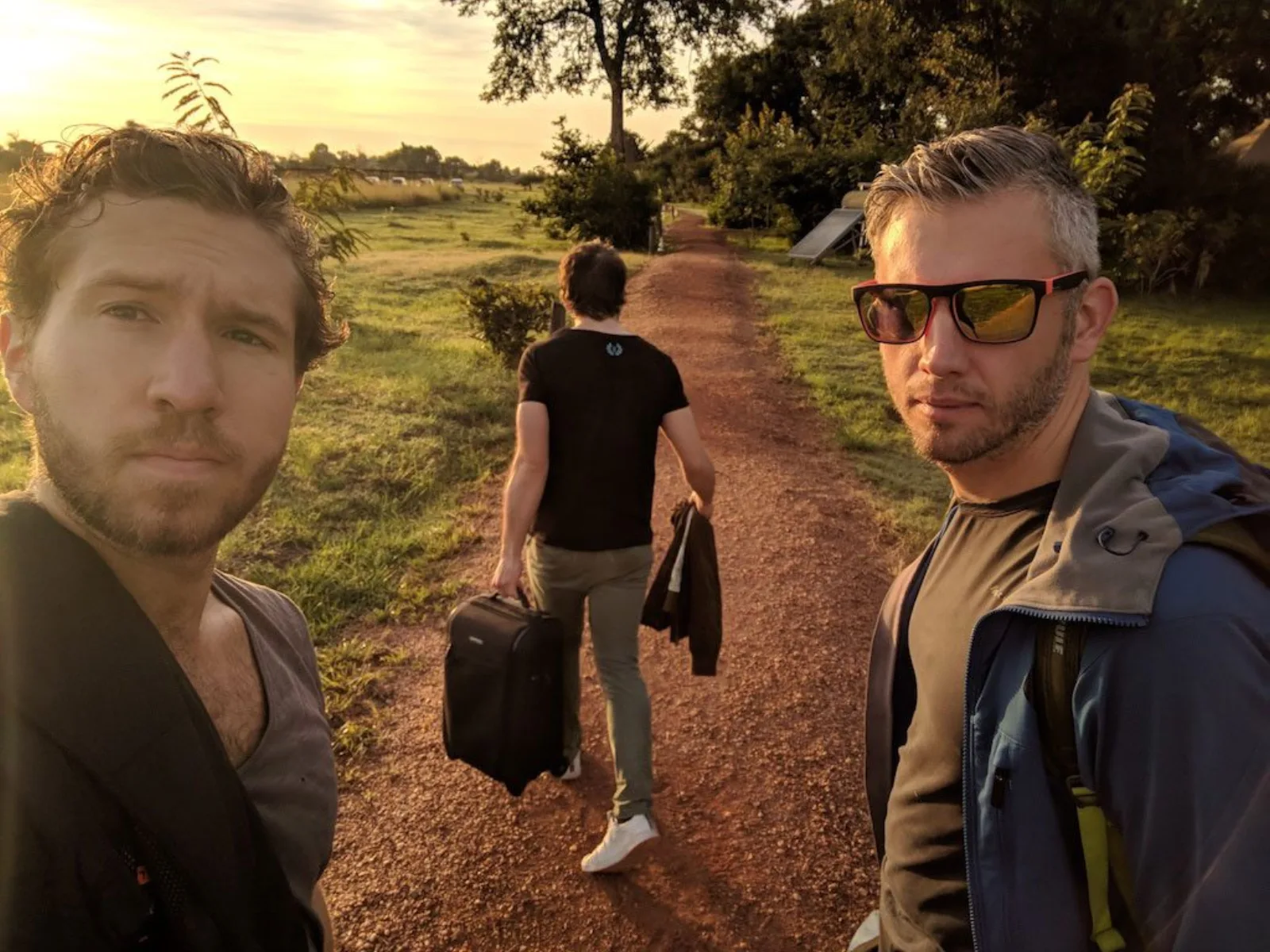
From the first solar-powered prototype in Kafue to sensor networks covering entire landscapes.
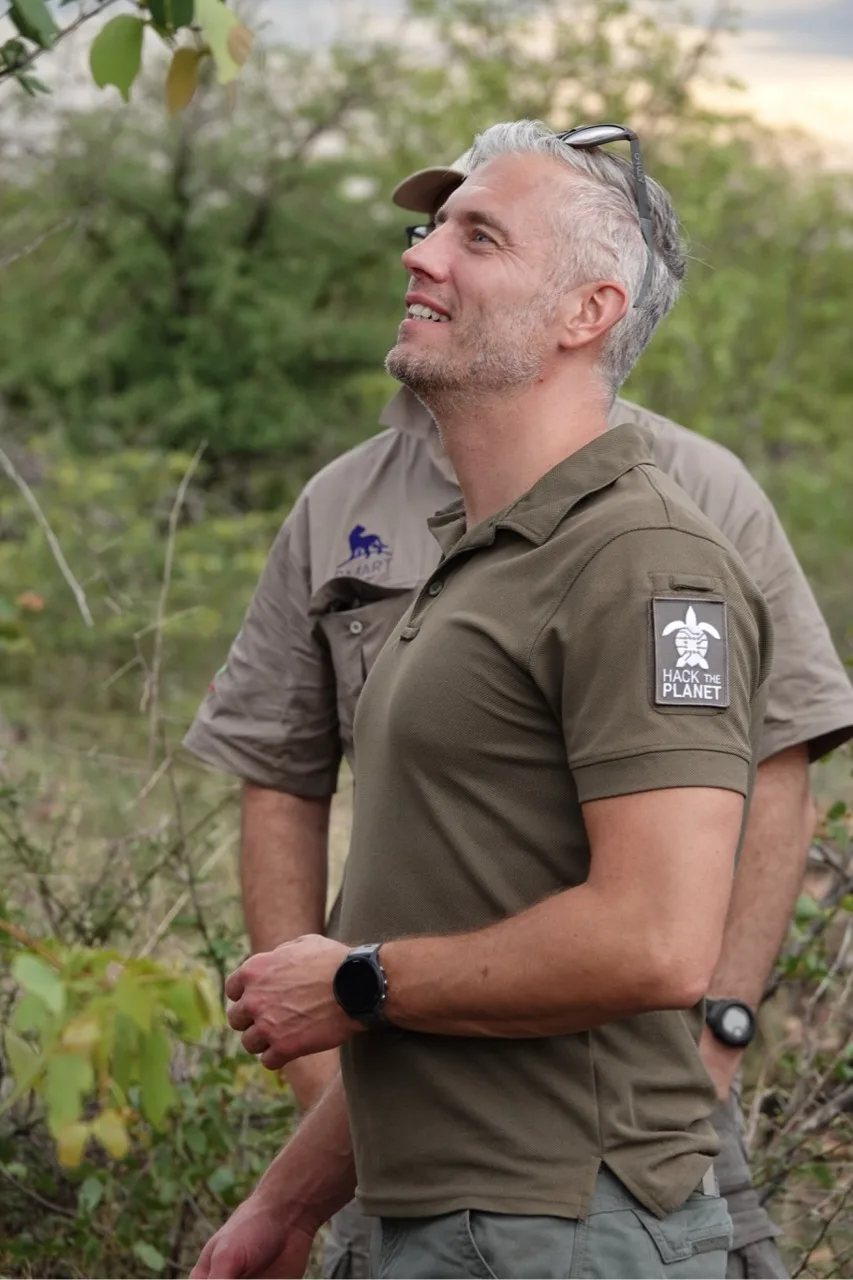
Who we do it with
Conservation NGOs, park authorities and ranger units who bring the intelligence, the mandate and the response capacity.
Conservation South Luangwa
Anti-poaching unit working across Zambia's South Luangwa Valley. They run our detection tools alongside their ranger patrols in one of Africa's richest wildlife landscapes.
Visit website →
Frankfurt Zoological Society
International conservation NGO with deep field operations across Africa. We collaborate in Gonarezhou and other protected areas on technology that makes parks safer.
Visit website →
Gonarezhou Conservation Trust
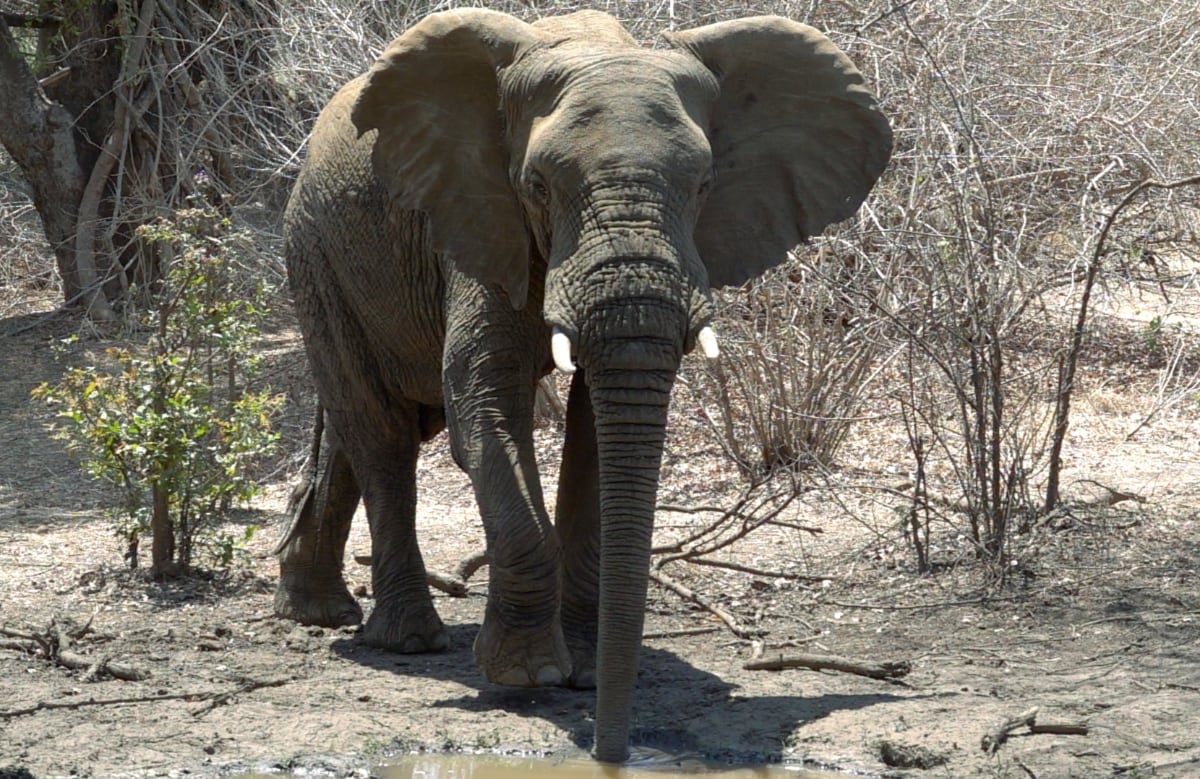
Co-manages Gonarezhou National Park in southeast Zimbabwe. Our monitoring and detection work supports their elephant- and wildlife-protection mandate.
Visit website →
Green Safaris
Green Safaris combines low-impact tourism with active conservation in southern Africa. They host Hack The Planet deployments in Zambia and contribute the local knowledge and logistics no remote operation can do without.
Visit website →
Panthera
The global wild cat conservation organisation, working on lions, leopards and the landscapes they depend on. They were on the ground for our first solar-powered RF sensor trial in Kafue, Zambia, and brought the field knowledge that shaped where detection had to work.
Visit website →The other conservation themes
Protecting a landscape under poaching pressure?
Tell us how your teams work and what you are up against. Detection only helps if it fits the way your rangers already operate, so that is where we start.