
Prototyping what does not exist yet
Some work starts with a question nobody has answered. We build the first version, put it in front of the people who would use it, and find out fast whether it deserves a second.
What we actually do
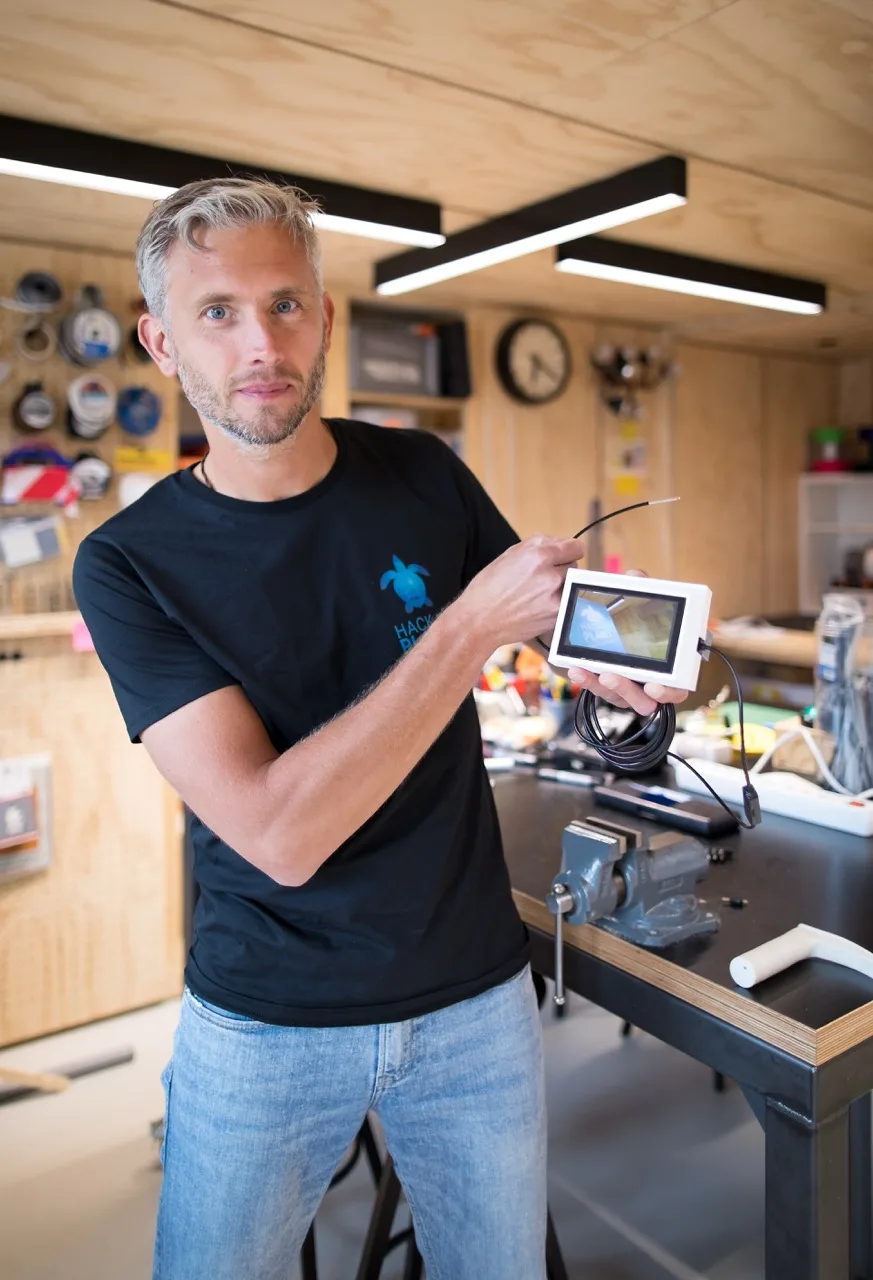
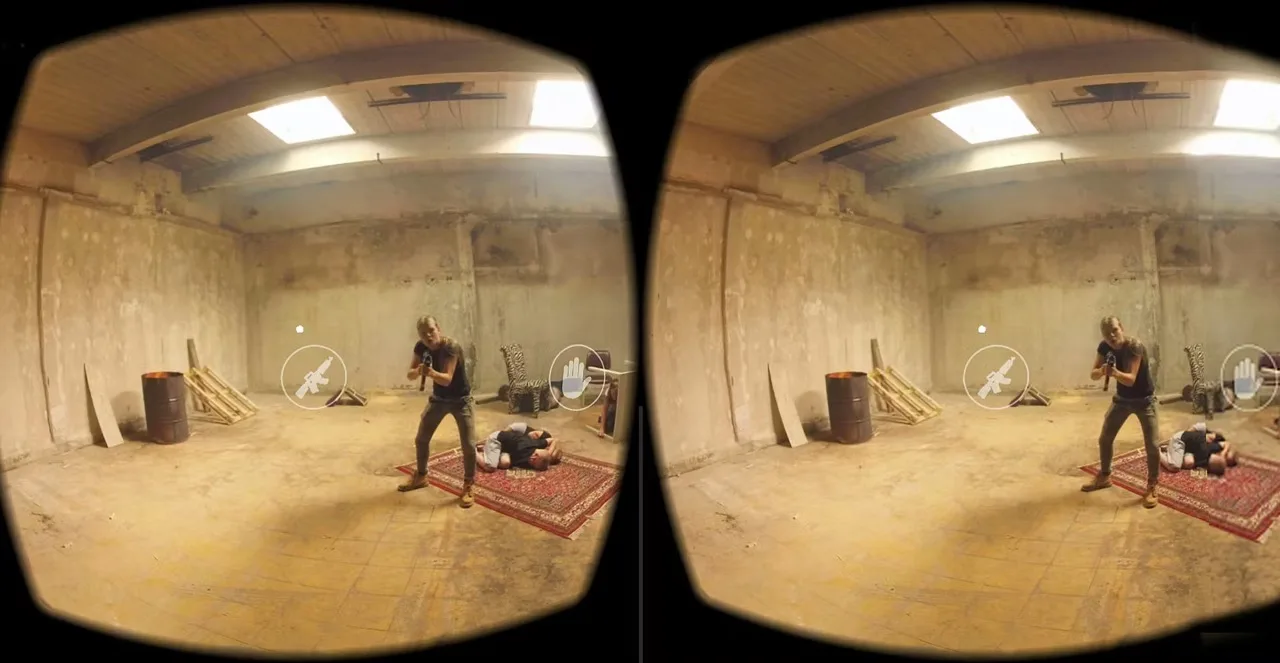
Can an autonomous drone help conservation teams document illegal fires from the air? Can a laryngoscope built from off-the-shelf parts and a 3D printer be safe enough for a hospital that will never afford the commercial one? Can you teach the laws of war better by putting someone inside a conflict than by handing them a textbook?
Innovation, for us, is not a lab. It is a working prototype in the hands of the organisation that asked the question, early enough that the answer still changes their plans. Some of it scales into a product. Some of it proves the idea was wrong, which is also worth knowing after two months instead of two years.
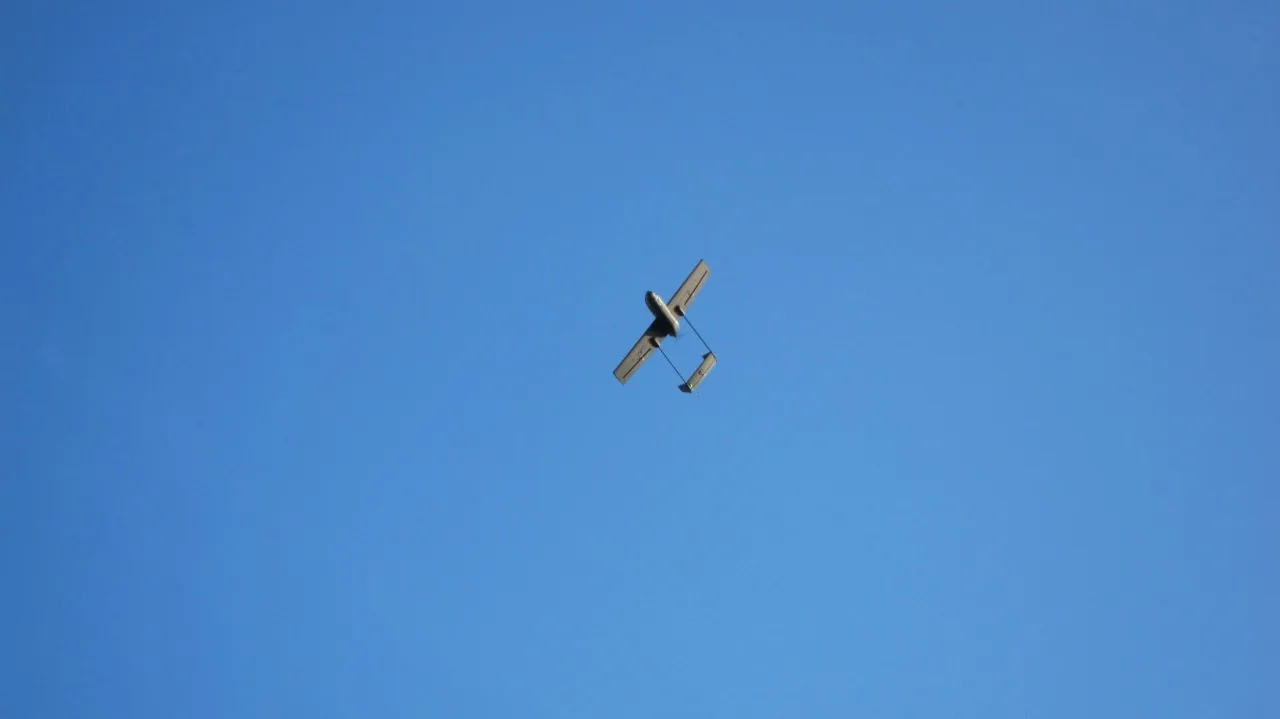
It is also where Hack The Planet began. SkyHawq, an autonomous fixed-wing drone built for Greenpeace in 2016, was the first thing we ever shipped, and what we learned in the Indonesian rainforest about ruggedisation, off-grid power and intermittent connectivity still shapes every product we build today.
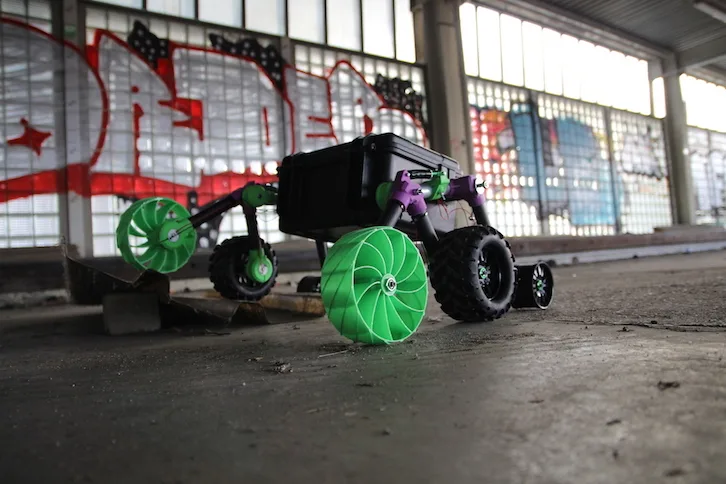
From question to working prototype
The subject changes wildly. The method is stubbornly the same.
Start from someone's real question
Every prototype here began with an organisation stuck on something concrete, not with a technology looking for a use.
Cheap, repairable, re-purposable
Off-the-shelf parts, 3D printing, open hardware. If a field team cannot fix it or repurpose it for the next mission, we designed it wrong.
Get it into the field early
A prototype only tells you something once someone who is not us tries to use it for real work. That is where the design decisions get made.
Let the lessons outlive the prototype
Most of these projects are not products. What survives them - power budgets, connectivity, modular payloads - goes straight into the platforms we ship.
Prototypes and firsts
Ten years of first versions, from the drone that started it all to affordable medical hardware.
Who we prototype with
NGOs, universities, hospitals and humanitarian organisations who bring the question, the domain knowledge and the field to test it in.
















Got a question nobody has answered yet?
If you are stuck on something that needs to exist before you can prove it works, that is exactly the kind of brief we like. Tell us what you are trying to find out.