
Technology for the people who protect nature
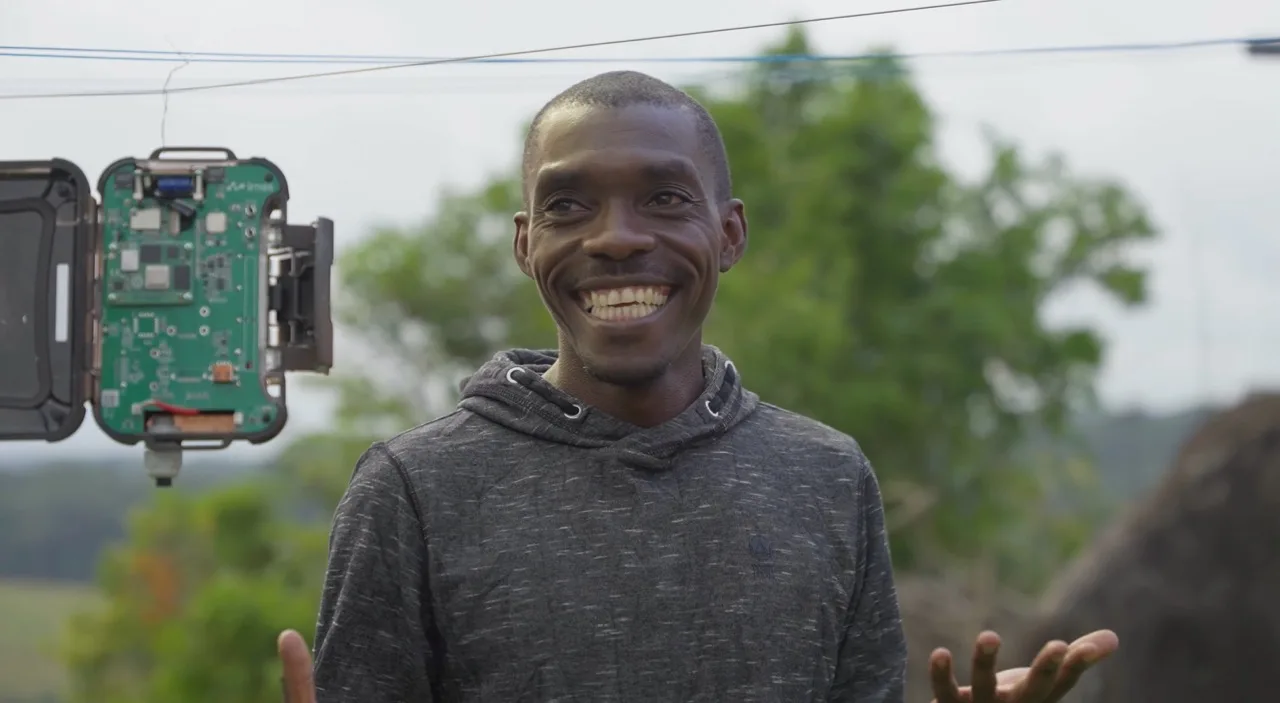
Hack The Planet designs, builds and scales new technology for the people who protect nature. We work on four problems: poaching, conflict between people and wildlife, wildlife monitoring and deforestation.
Four problems, one environment
For each theme we describe three things: what the problem actually is, what technology we built for it, and which projects it is running in right now.
The four themes stand on their own. Each asks for a different approach, sometimes different technology, different partners and different expertise. What they share is the environment they play out in: areas with little or no power, no network, in the middle of the wilderness.
Very little off-the-shelf technology exists for those conditions. So we build it ourselves, together with the people who work there every day, and improve it again every season based on what the field teaches us.
What we work on
Each theme has its own problem, its own technology and its own partners.
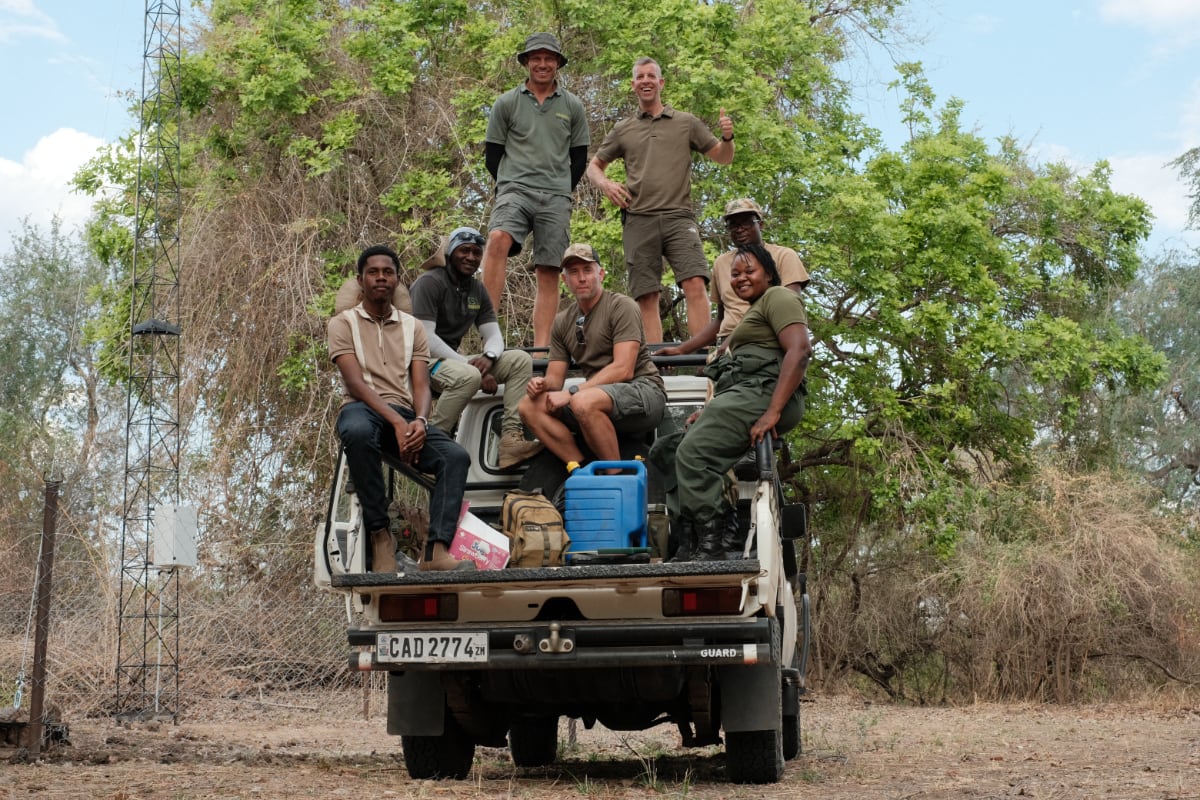
Anti-poaching
Detecting poachers before they reach the wildlife, hours before tracks or gunshots would.
Read more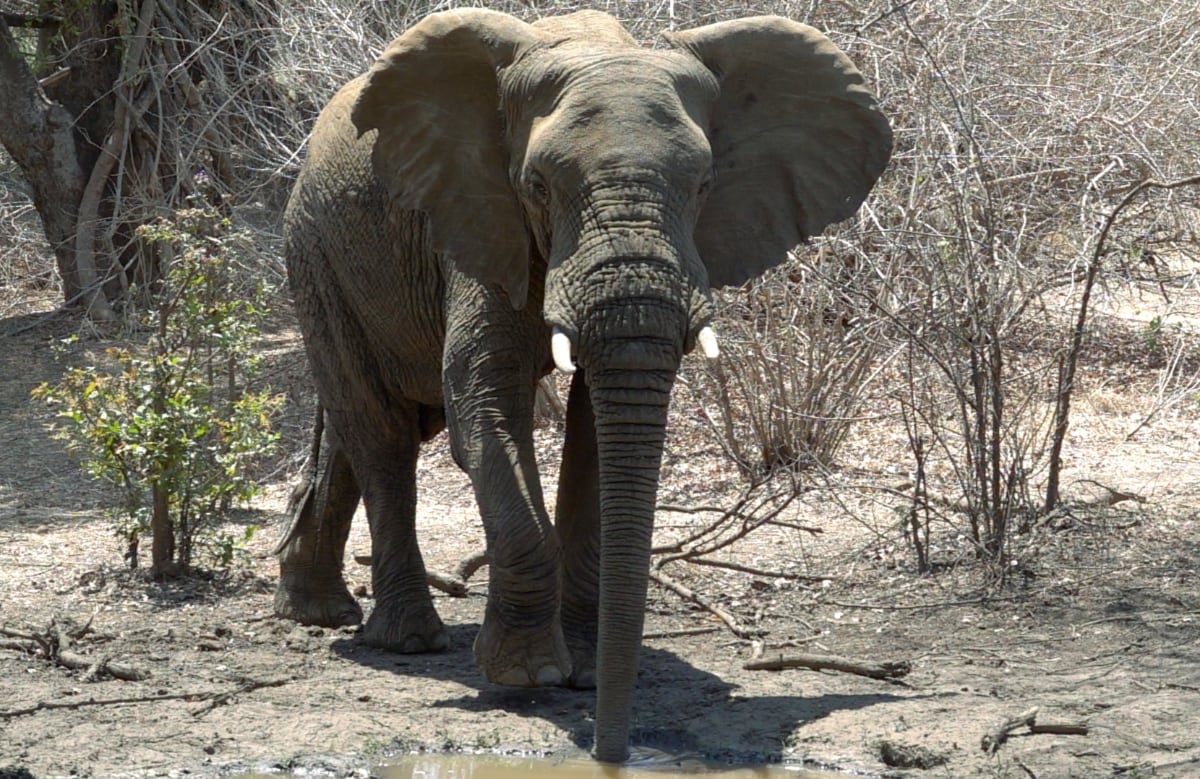
Human-wildlife conflict
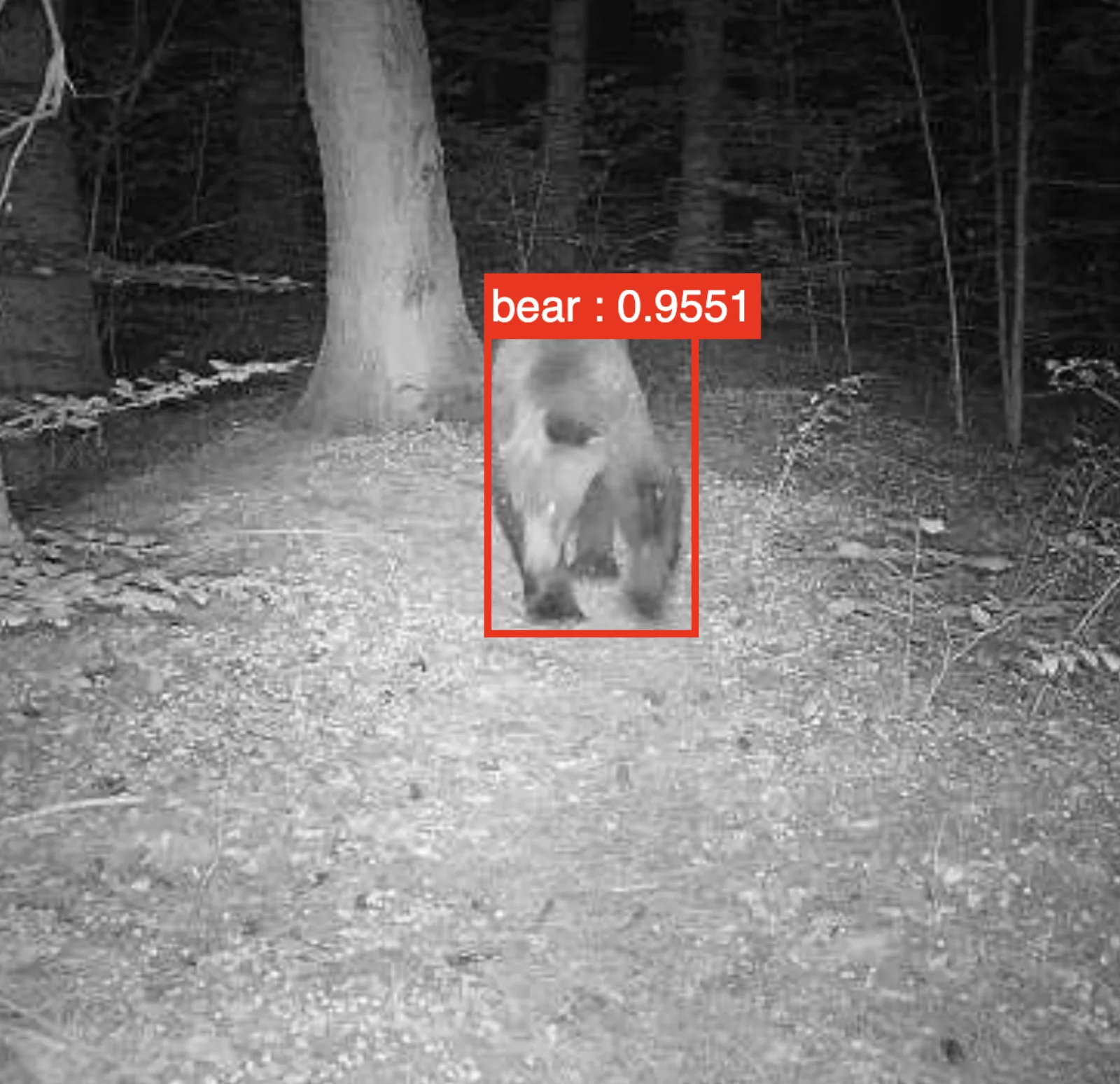
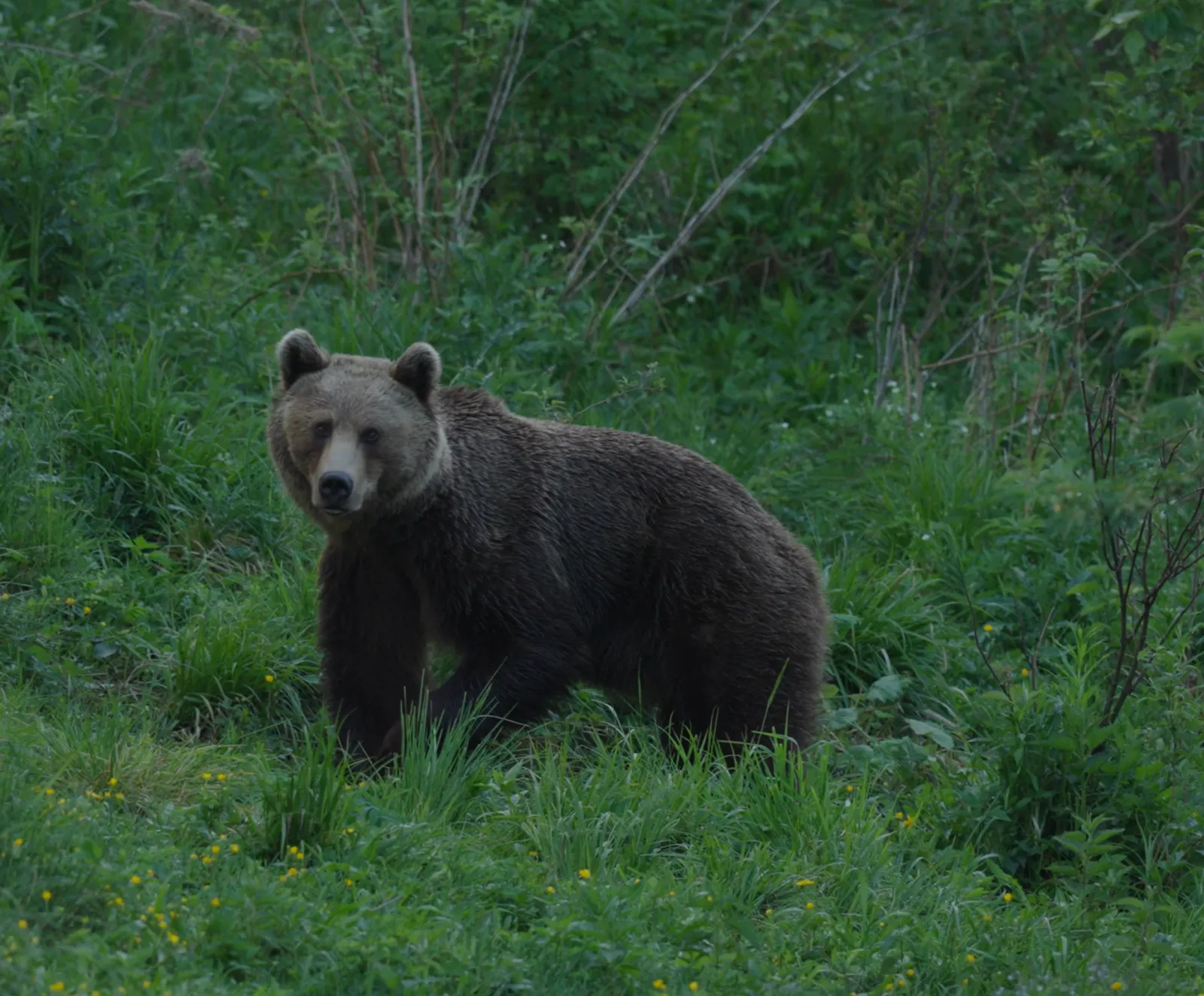
Keeping elephants and bears away from villages and fields without harming them, so families keep their harvest.
Read more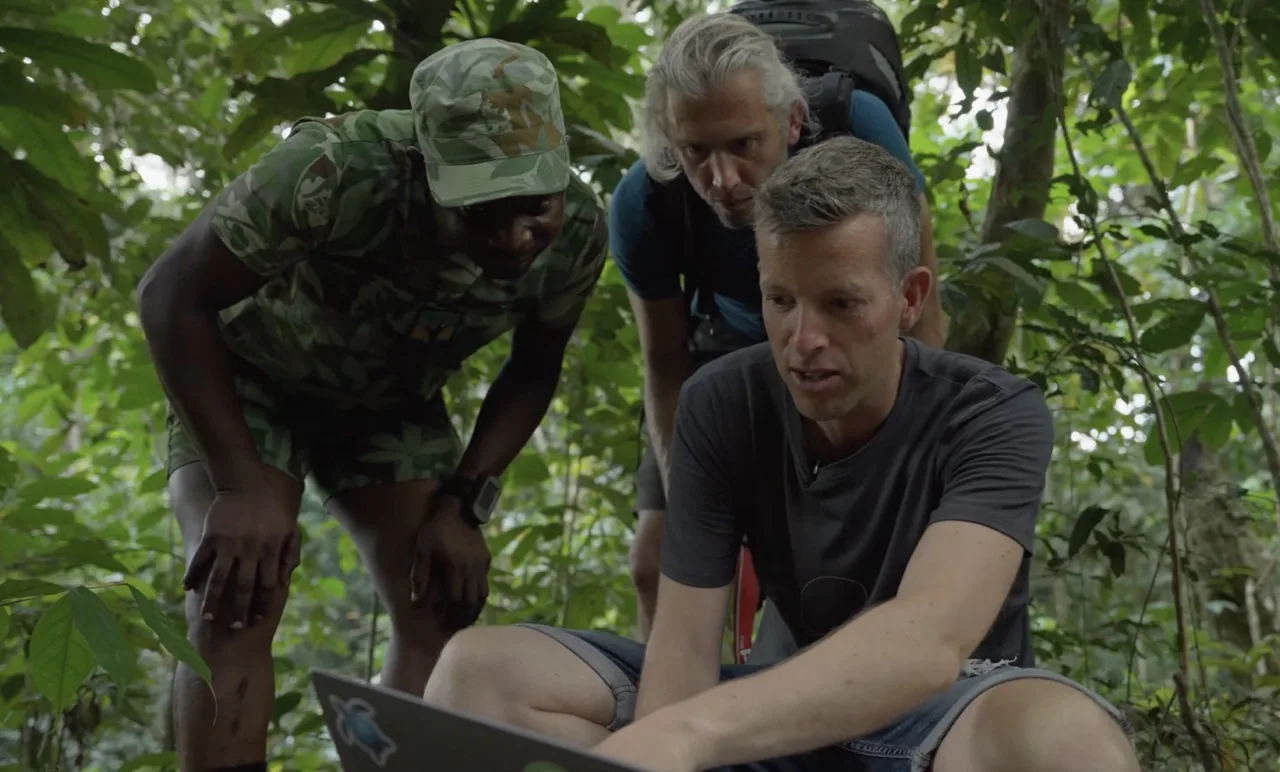
Wildlife monitoring
Knowing which animals are where, in time, in places with no network and no power.
Read more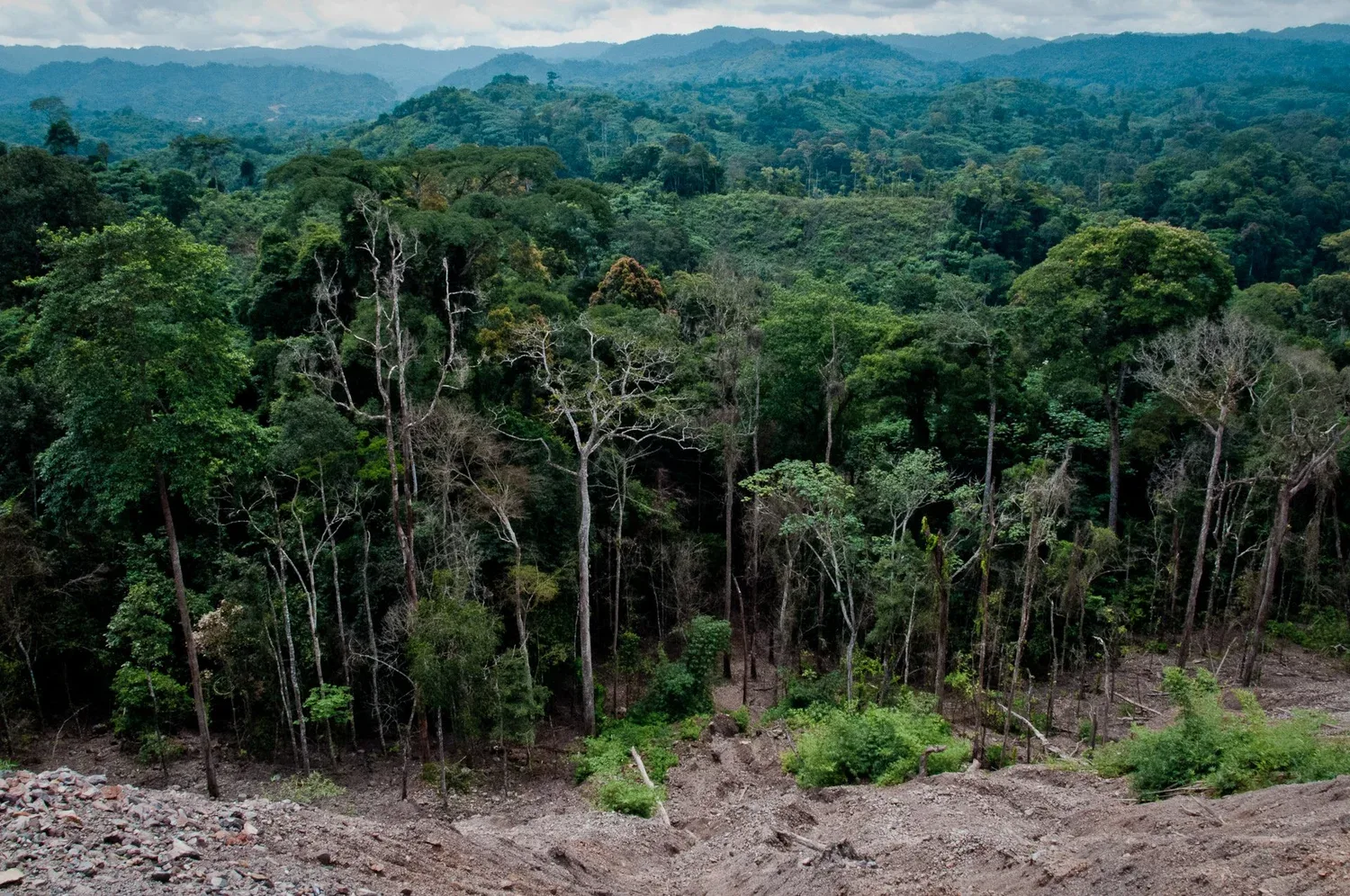
Deforestation
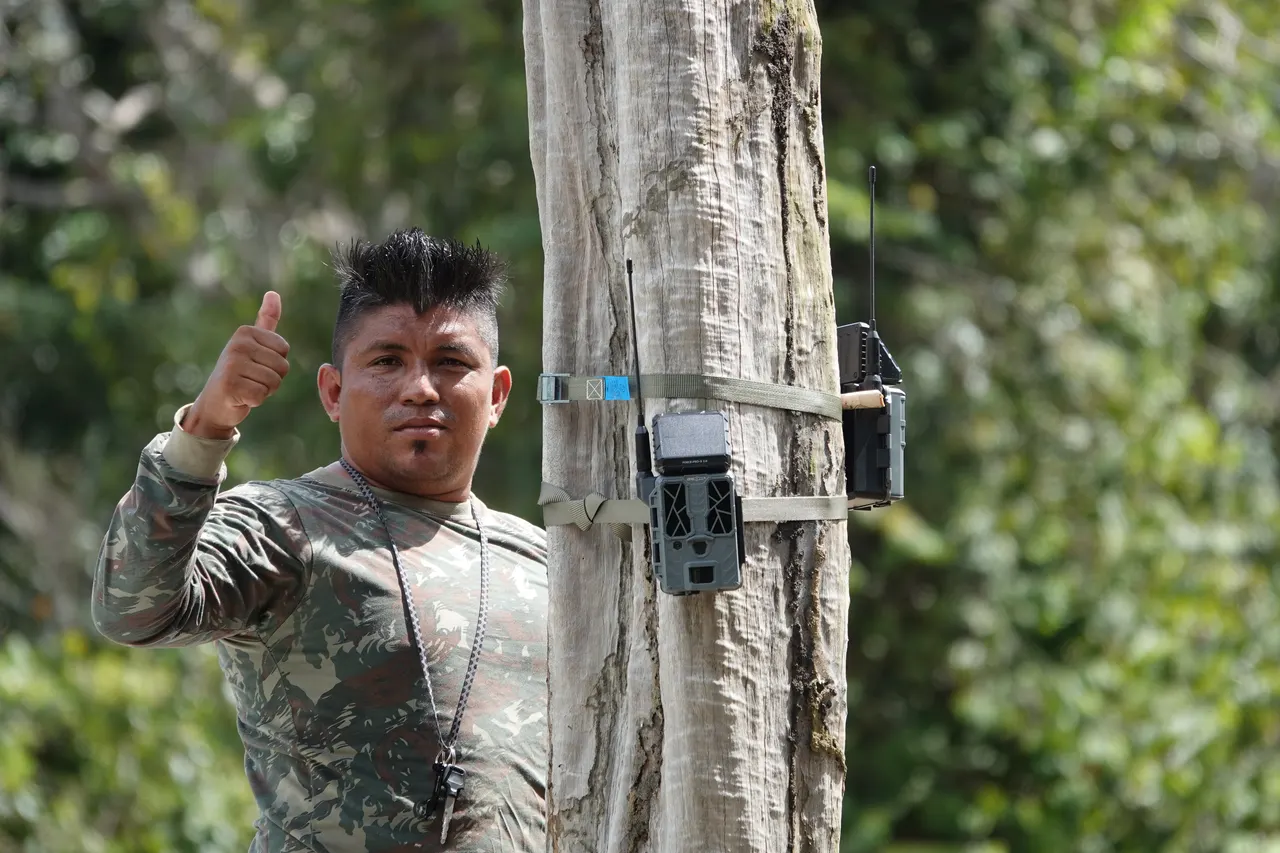
Real-time eyes on the access roads into protected forest, so people can intervene while it is happening.
Read moreThe same six principles, every deployment
Whether it is a poaching hotspot in Zambia or a logging road in the Amazon, the way we get from problem to working system barely changes.
The field team sets the brief
We start with the rangers, ecologists and communities who will use the system, on site. They decide what a useful alert is, where sensors go and what they can maintain once we leave.
Built for no infrastructure
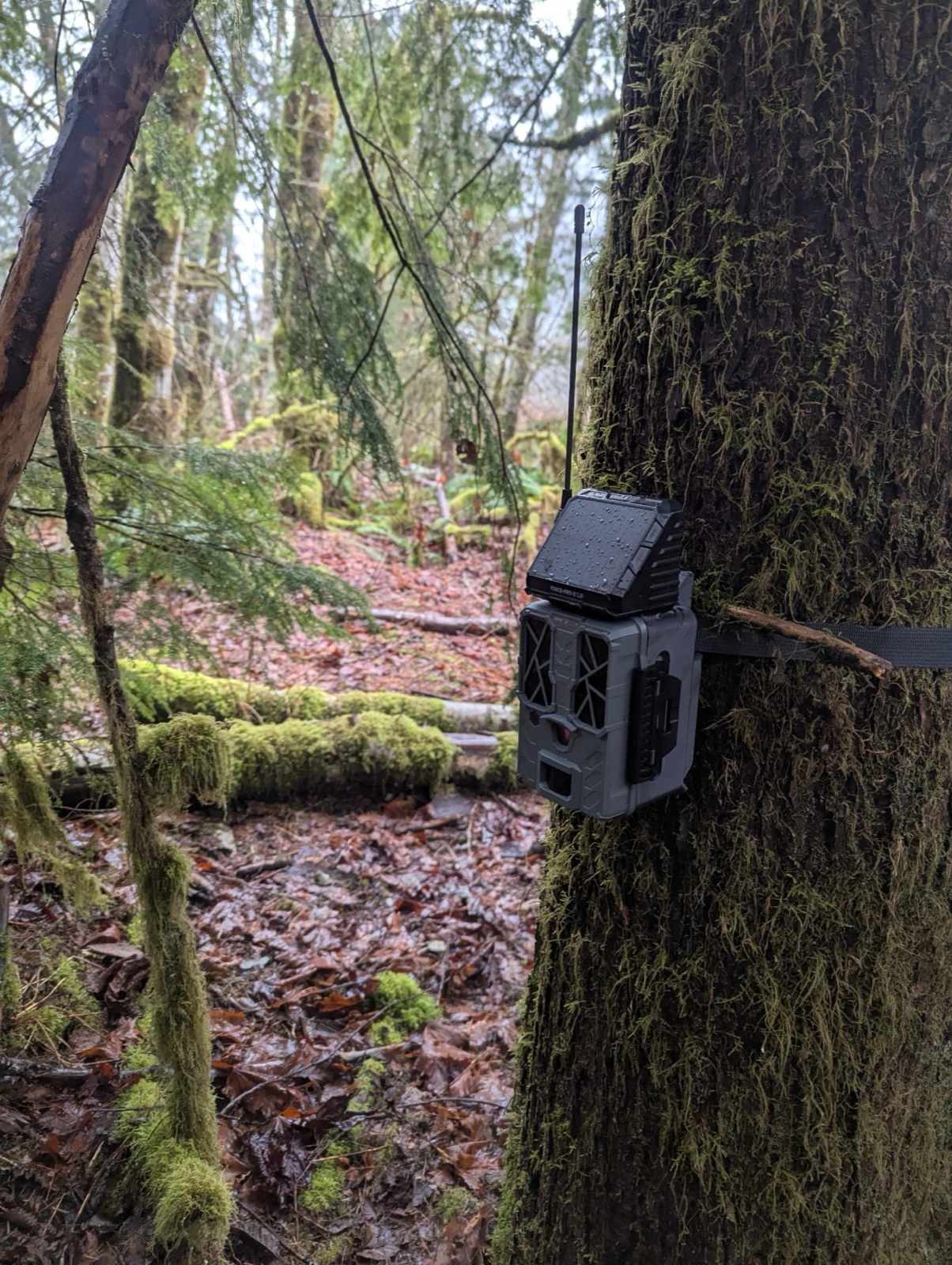
Solar power, low-power radio, satellite backhaul. If a deployment area has no grid, no road and no cell coverage, that is the baseline we design for, not an edge case.
Decide on the device
AI runs on the camera or sensor itself, so only what matters leaves the device. That keeps bandwidth usable, battery life long and inboxes free of thousands of deer photos.
Early enough to prevent
Documenting damage after the fact does not save anything. Every system we build is aimed at the window before the shot, the raid or the road, when intervention still changes the outcome.
Non-lethal, non-invasive
Deterrence without harm and monitoring without disturbance are hard requirements. Animals get moved along, not hurt, and sensitive sites like wolf dens are watched without anyone walking in.
The partner keeps control
Data ownership stays with the people on the ground, alerts land in the tools they already use, and we train their teams to run the network themselves.
The platforms behind the work
Three field-proven systems, each born out of a conservation deployment and refined every season since.
 Product
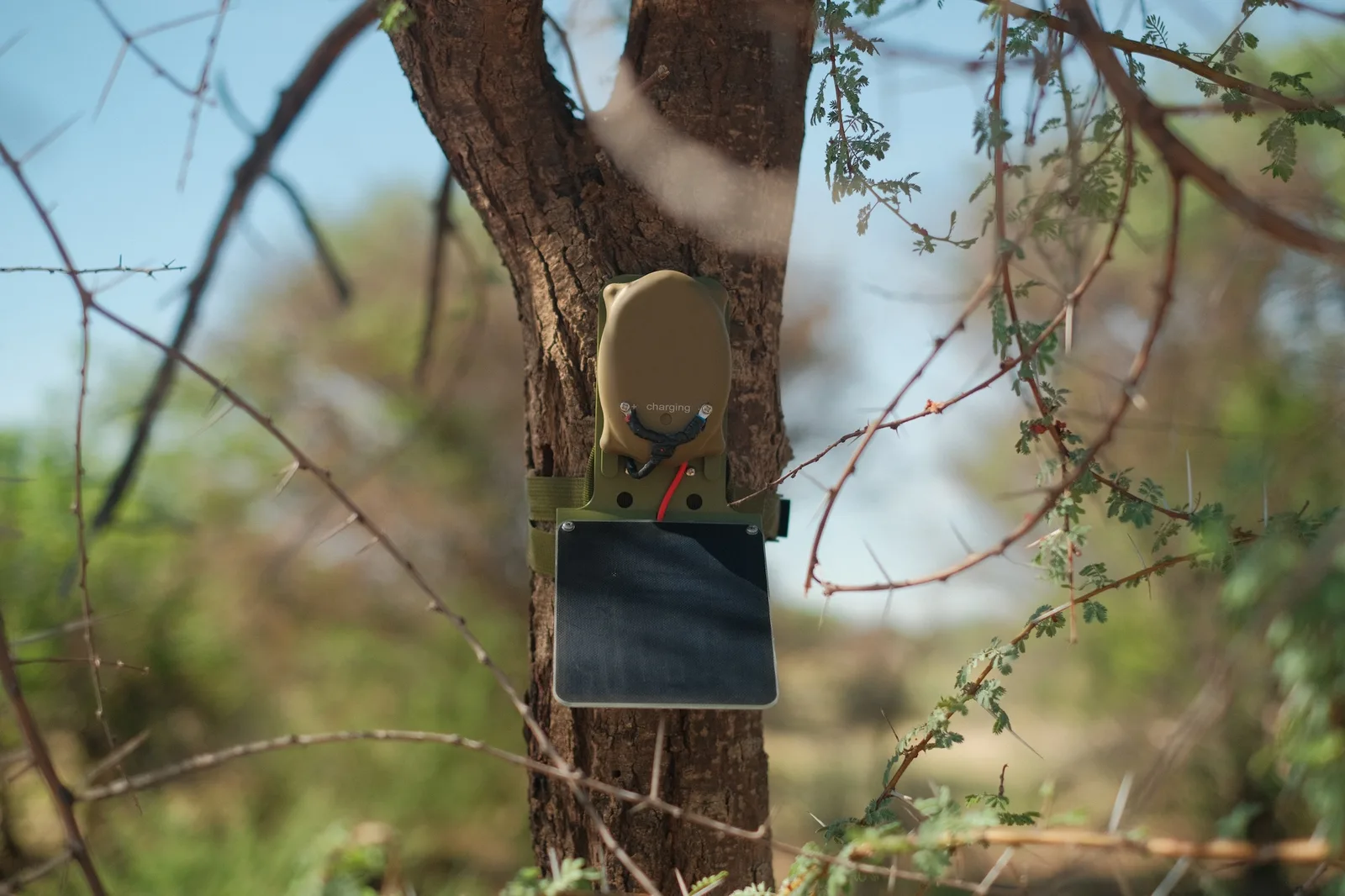
ScannerEdge
Passive radio-frequency detection that warns rangers about people in places they shouldn't be.
Explore ScannerEdge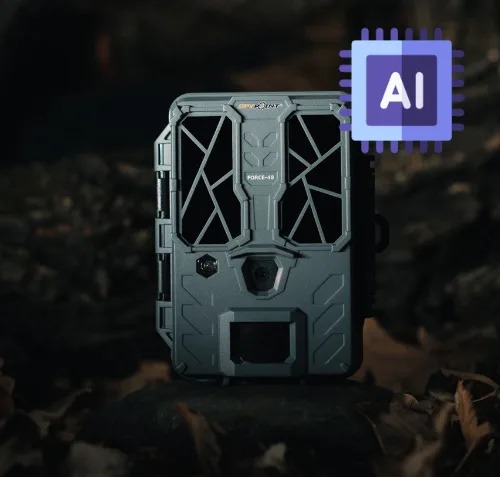 Product
Instant Detect
Protect wildlife faster, smarter, anywhere: AI camera traps that send images via satellite, in near-real-time.
Explore Instant Detect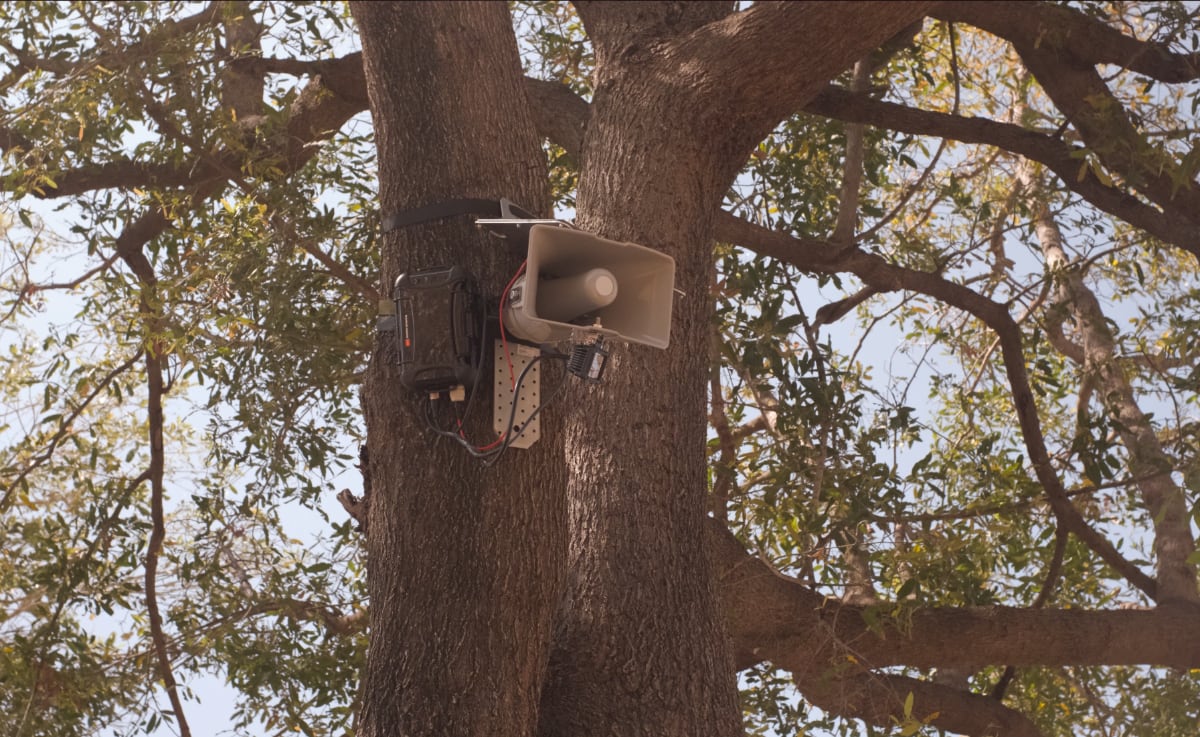 Product
Smart Deterrent
An AI-triggered, non-lethal deterrent that keeps wildlife, and the people sharing their landscape, out of harm's way.
Explore Smart DeterrentConservation in the field
The most recent deployments across all four themes.
We never do this alone
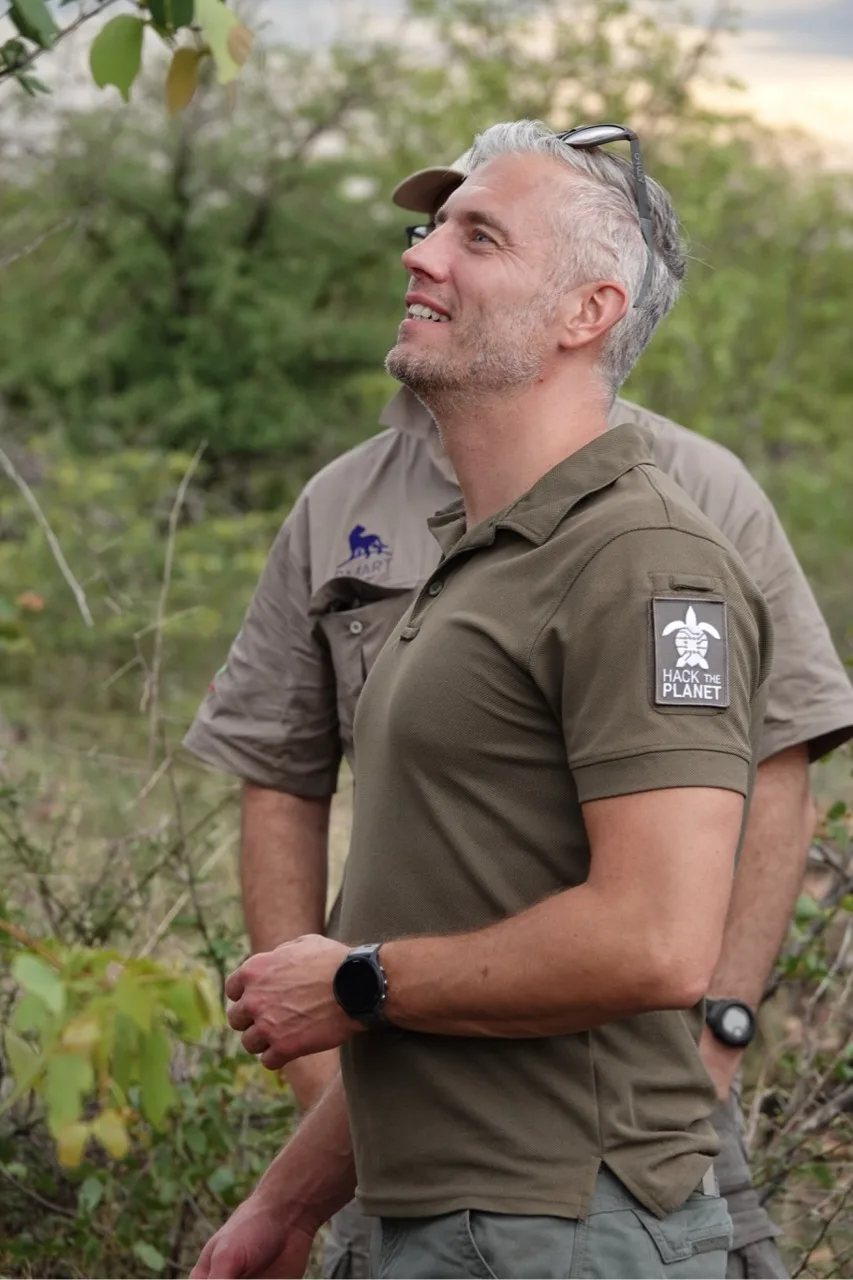
Rangers, NGOs, national park authorities, universities and Indigenous communities: they hold the knowledge and the mandate. We bring the engineering.






























Working on one of these problems?
If you protect a landscape and think technology could extend your reach, tell us about it. We work with rangers, NGOs, research teams and Indigenous land stewards worldwide.