The problem
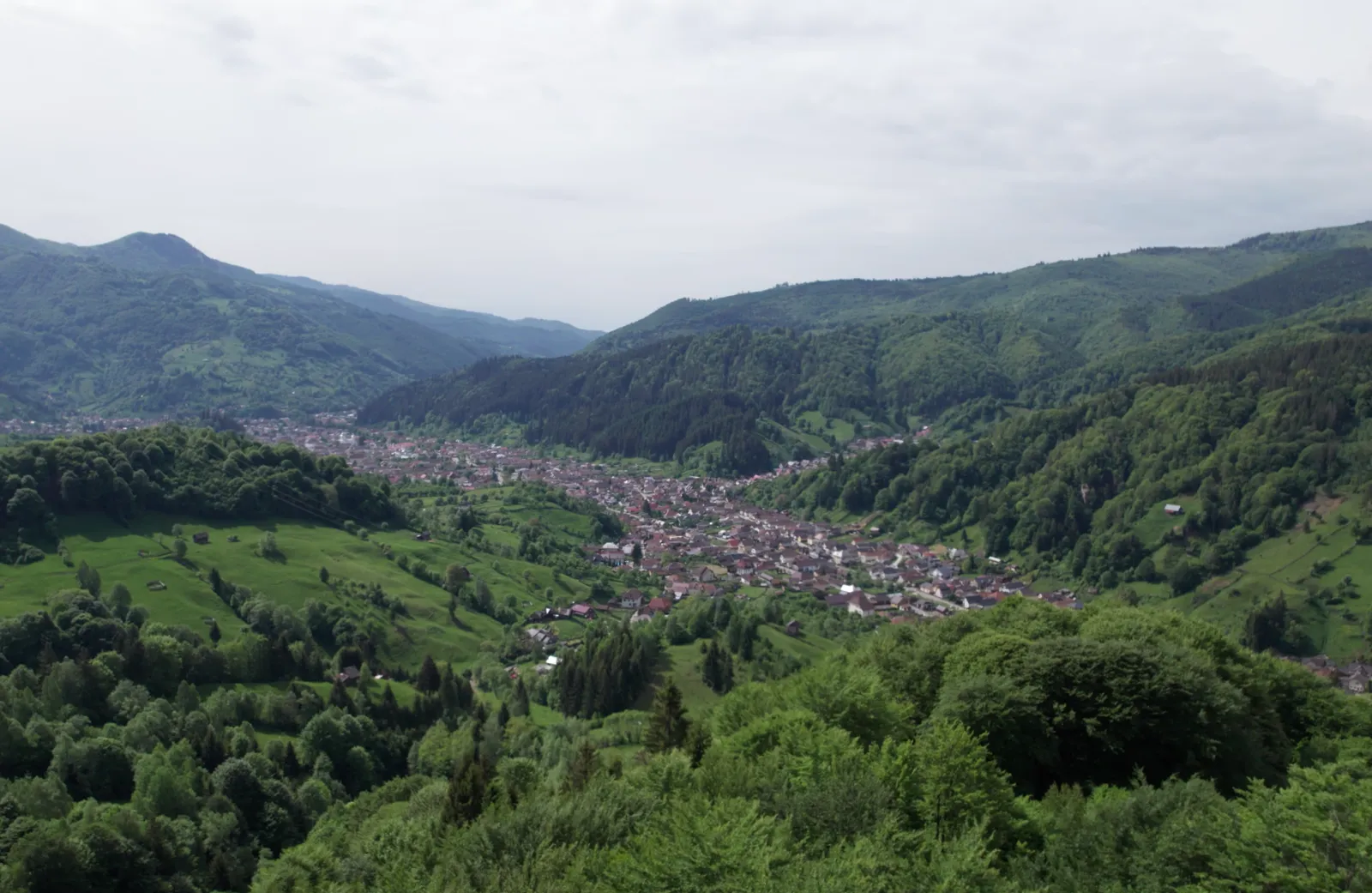
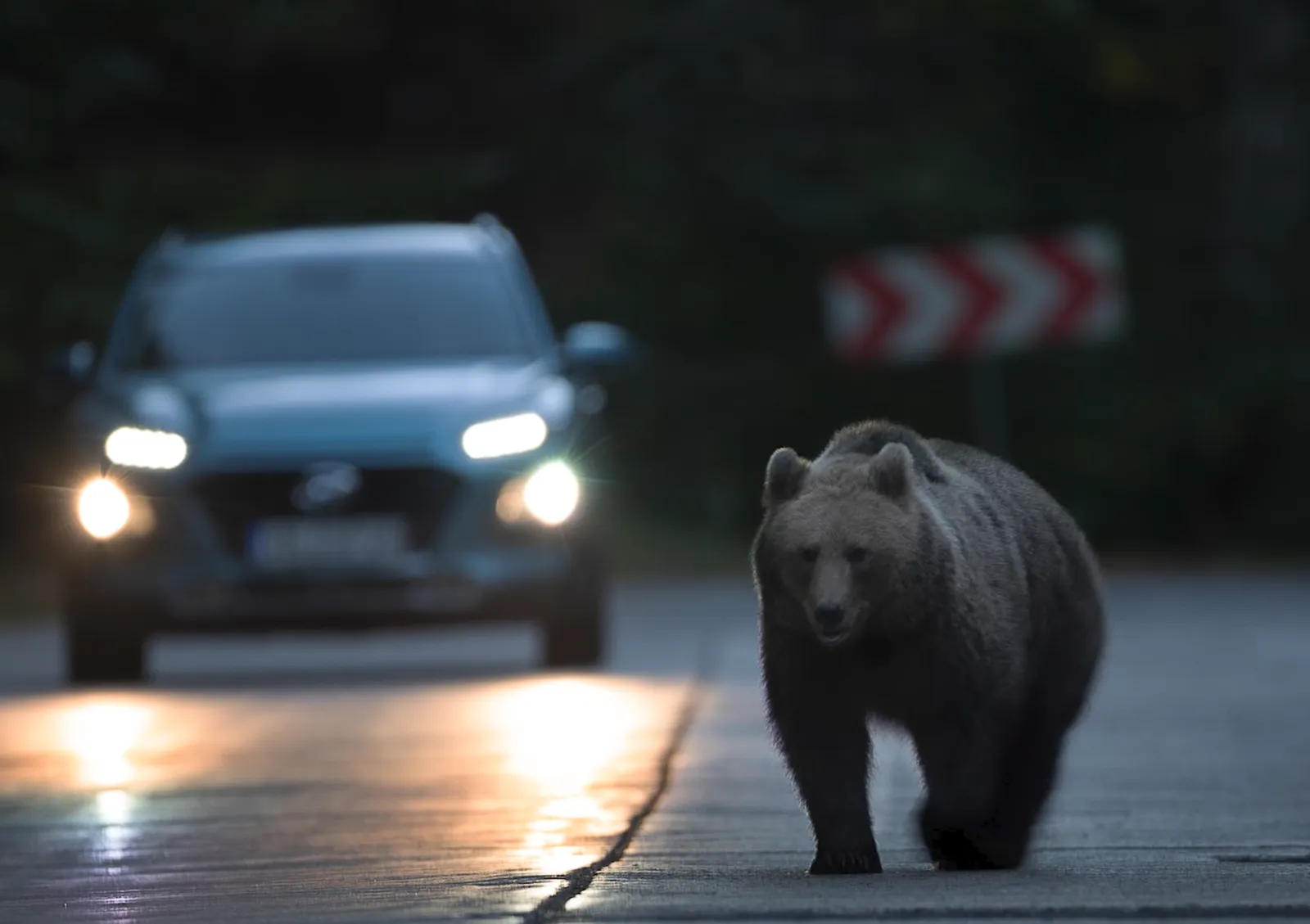
Romania is home to the largest brown bear population in Europe, roughly 6,000–8,000 animals, most of them living in the Carpathian Mountains. As forest habitat shrinks and natural food becomes scarcer, more and more bears wander into villages looking for an easier meal: rubbish bins, fruit trees, livestock and beehives.
The result is a growing wave of human–bear conflict. People get hurt. Property gets damaged. And the bears themselves often pay the highest price: many “problem bears” end up shot or relocated.
What we did
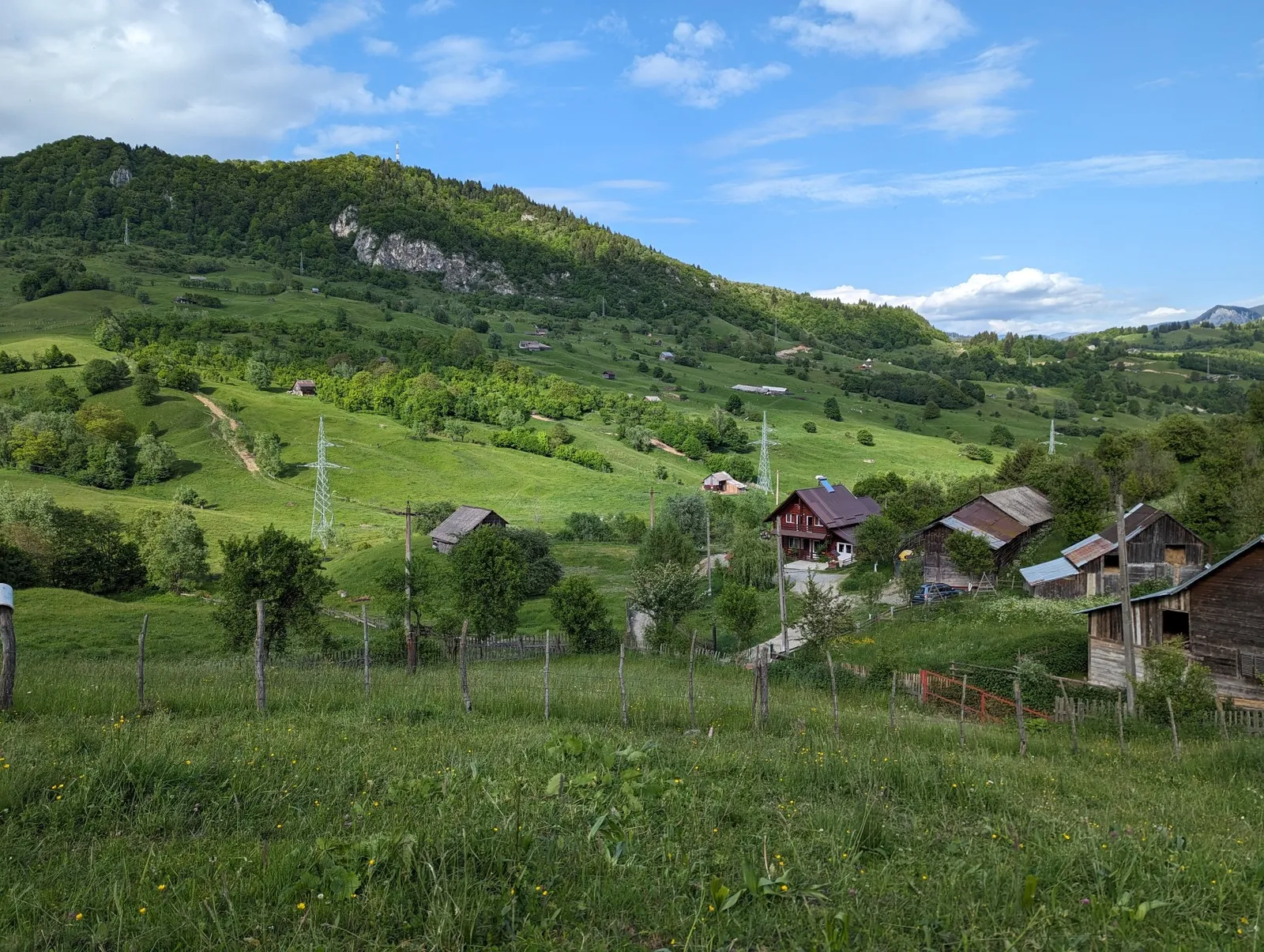
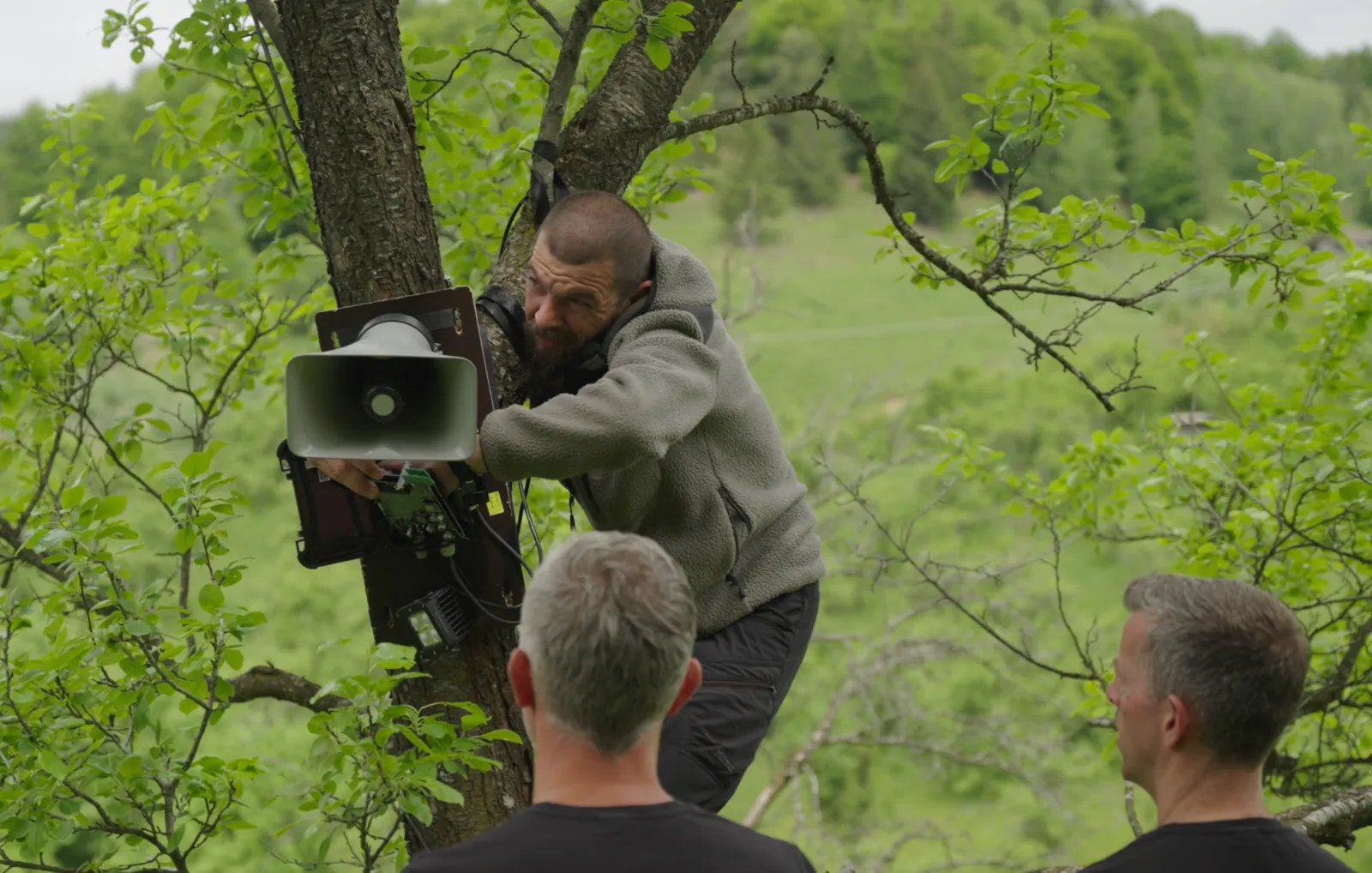
In partnership with Foundation Conservation Carpathia, we deployed 15 Instant Detect AI cameras paired with 15 Smart Deterrent systems along the edges of villages and known bear corridors in the Carpathian Mountains.
How it works:
- The AI cameras continuously watch known bear paths.
- When a bear is detected approaching a village, the paired Smart Deterrent fires a varied combination of light and sound.
- The bear is encouraged to turn around, long before it reaches the houses.
Because both detection and response are autonomous, solar-powered and unattended, the system runs in remote mountain locations where there’s no infrastructure and no daily ranger presence.
A LoRaWAN backbone for the mountains
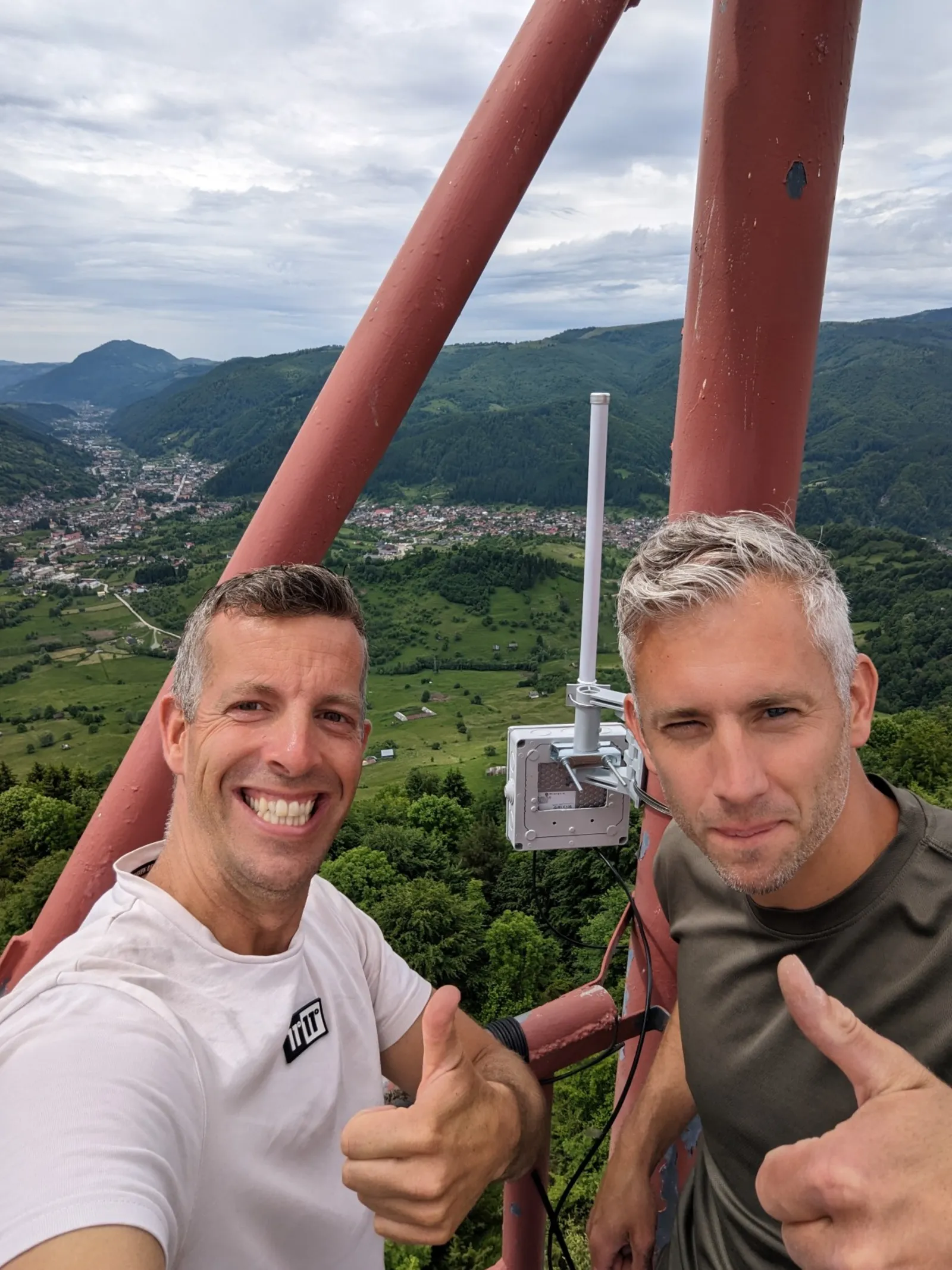
To connect everything we also built a dedicated LoRaWAN network across the deployment area. LoRaWAN is a long-range, low-power radio standard: devices like our cameras and Smart Deterrents can communicate with a central gateway over several kilometres, on minimal battery, without any cellular coverage. The gateway then forwards alerts and status data to the cloud.
For a mountain valley where there’s no mobile signal and laying cable isn’t an option, LoRaWAN is the difference between a system that works and a system that doesn’t. Our gateway covers the area with one piece of infrastructure, and every camera and Smart Deterrent in the deployment talks through it, quietly and reliably, for months on end.
Why it matters
The vast majority of human–bear incidents start with a bear in a place it shouldn’t be. By keeping bears at a distance early, non-lethally and without habituation, the system protects communities, livelihoods and the bears themselves.
This deployment is the foundation for further work: in 2024 we returned to test more advanced deterrent prototypes, including a sky-dancer (read about that project).