About the project
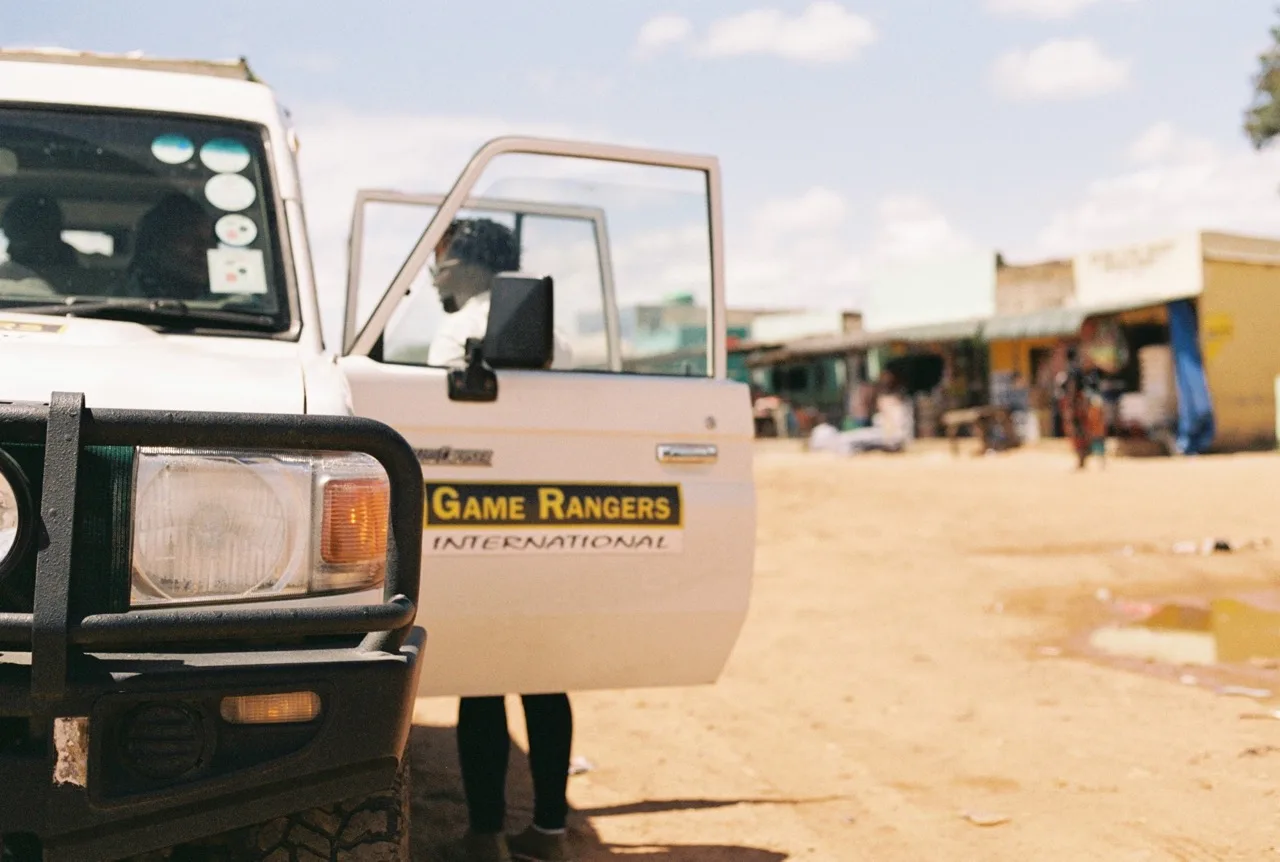
This project addresses the growing tension between rural communities and wildlife in and around Kafue National Park, Zambia. Implemented in collaboration with Game Rangers International, the project focuses on preventing dangerous encounters between elephants and nearby villages by detecting animal movement early and responding before conflicts escalate.
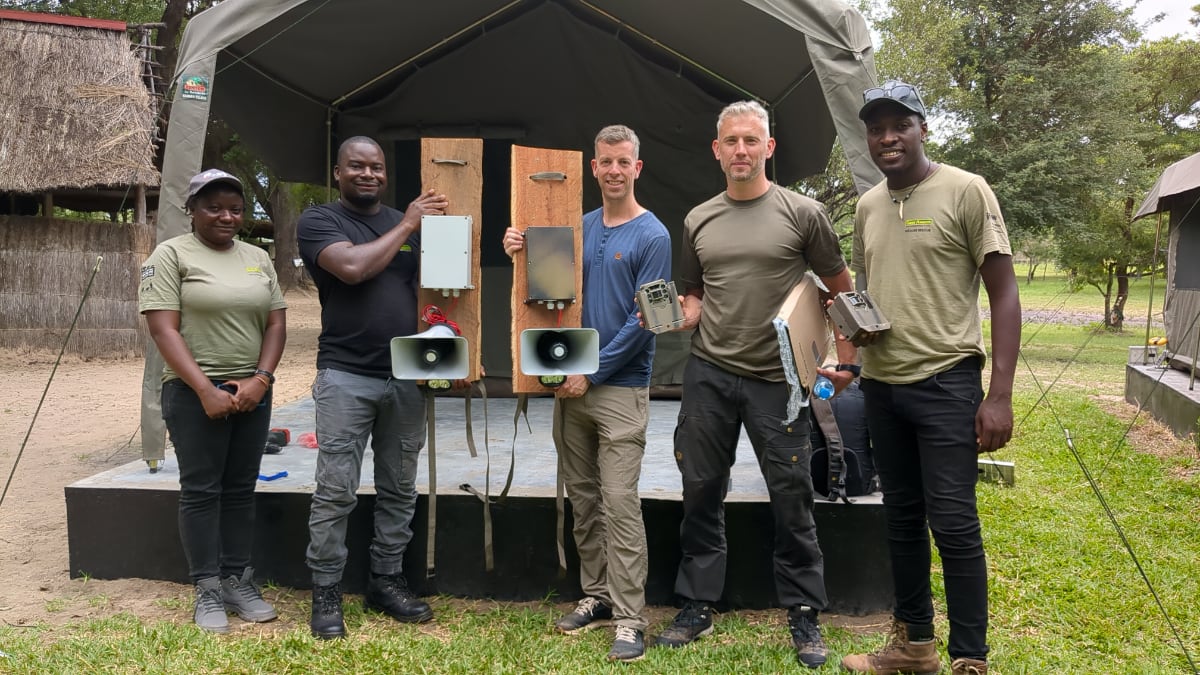
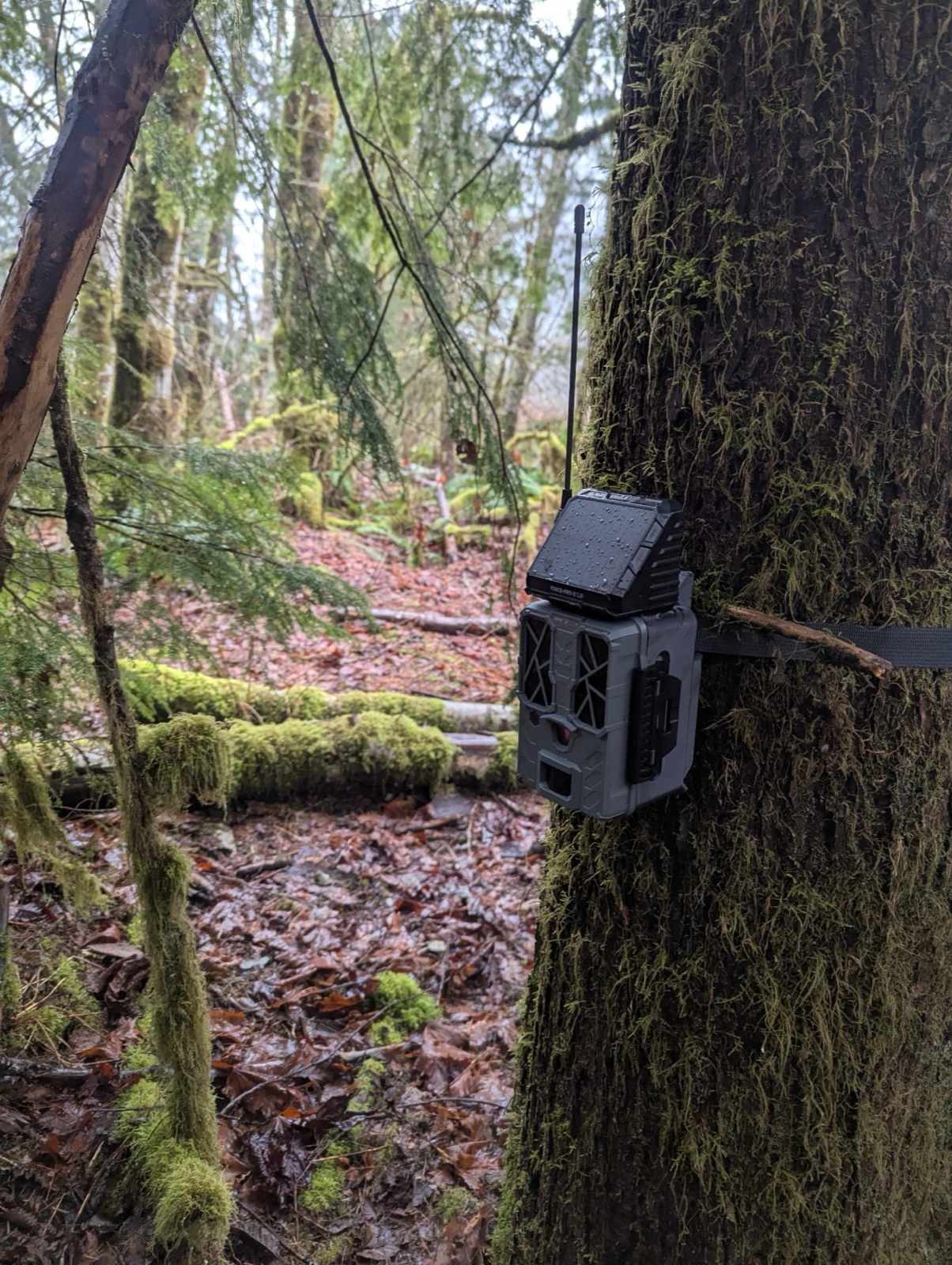
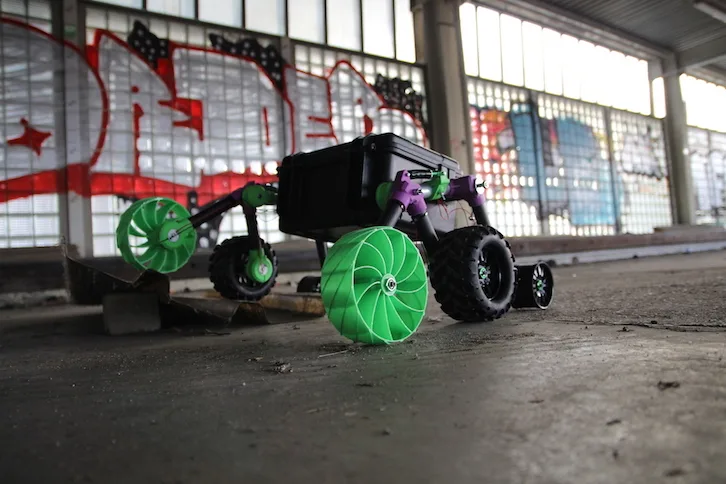
Using the AI-powered camera system Instant Detect and the Smart Deterrent, the project provides a non-lethal, technology-driven approach to reduce crop damage, improve human safety and support long-term coexistence between people and wildlife.
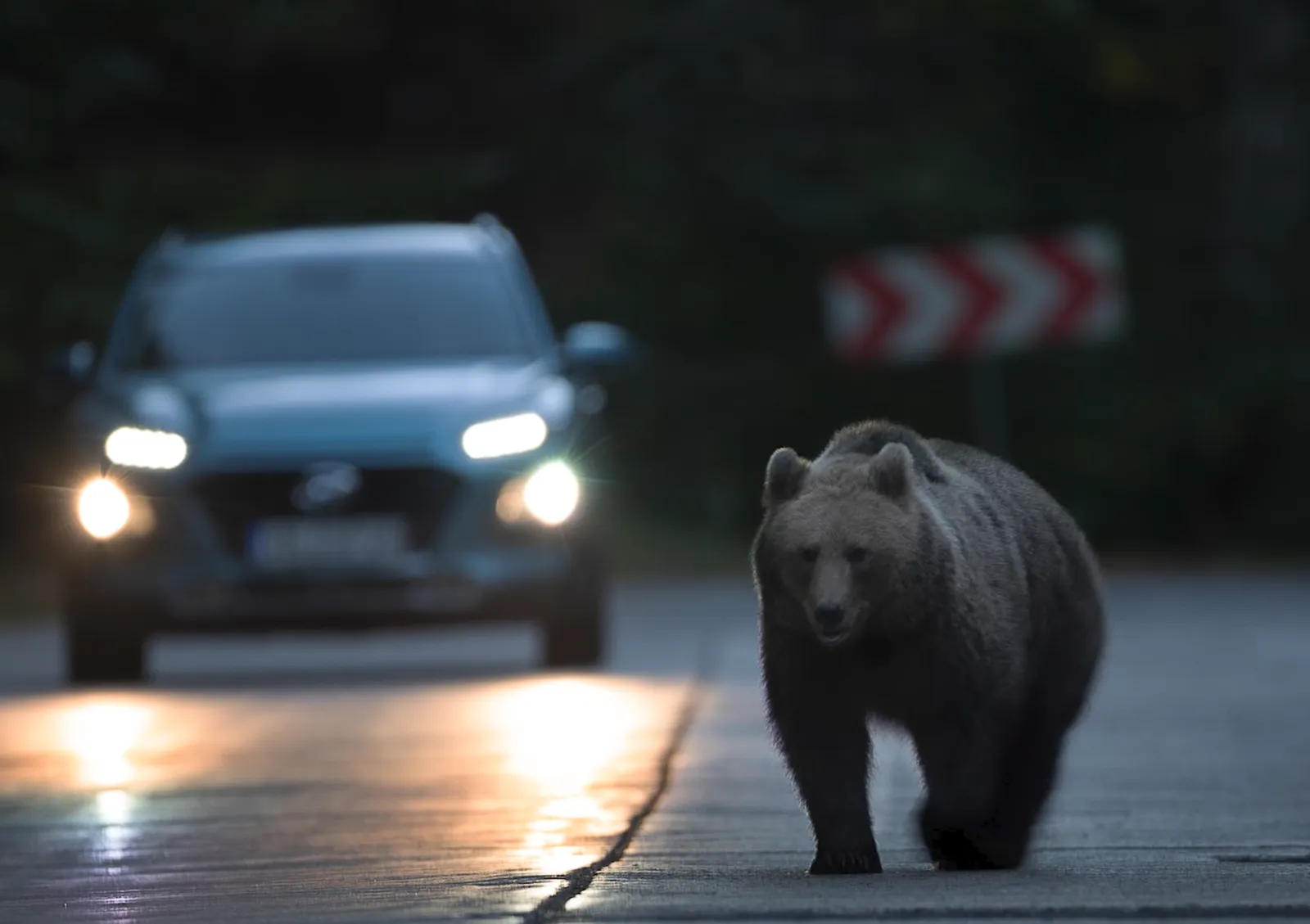
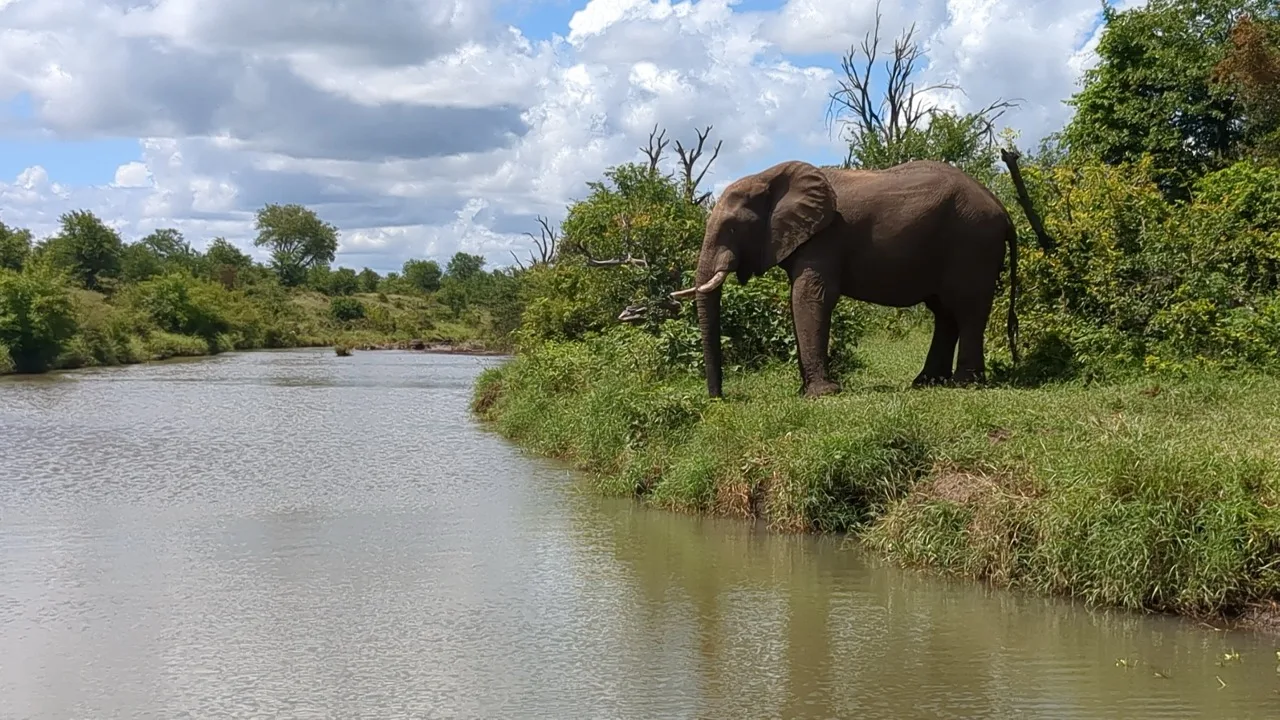
Human–wildlife conflict is one of the most pressing conservation challenges in southern Africa. As elephant populations recover in protected areas, encounters with surrounding communities have become more frequent. In regions like Kafue, villages and small-scale farms lie close to wildlife corridors and park boundaries. When elephants enter fields or settlements, the consequences can be severe, from destroyed crops and food insecurity to injuries and loss of life on both sides.
How it works
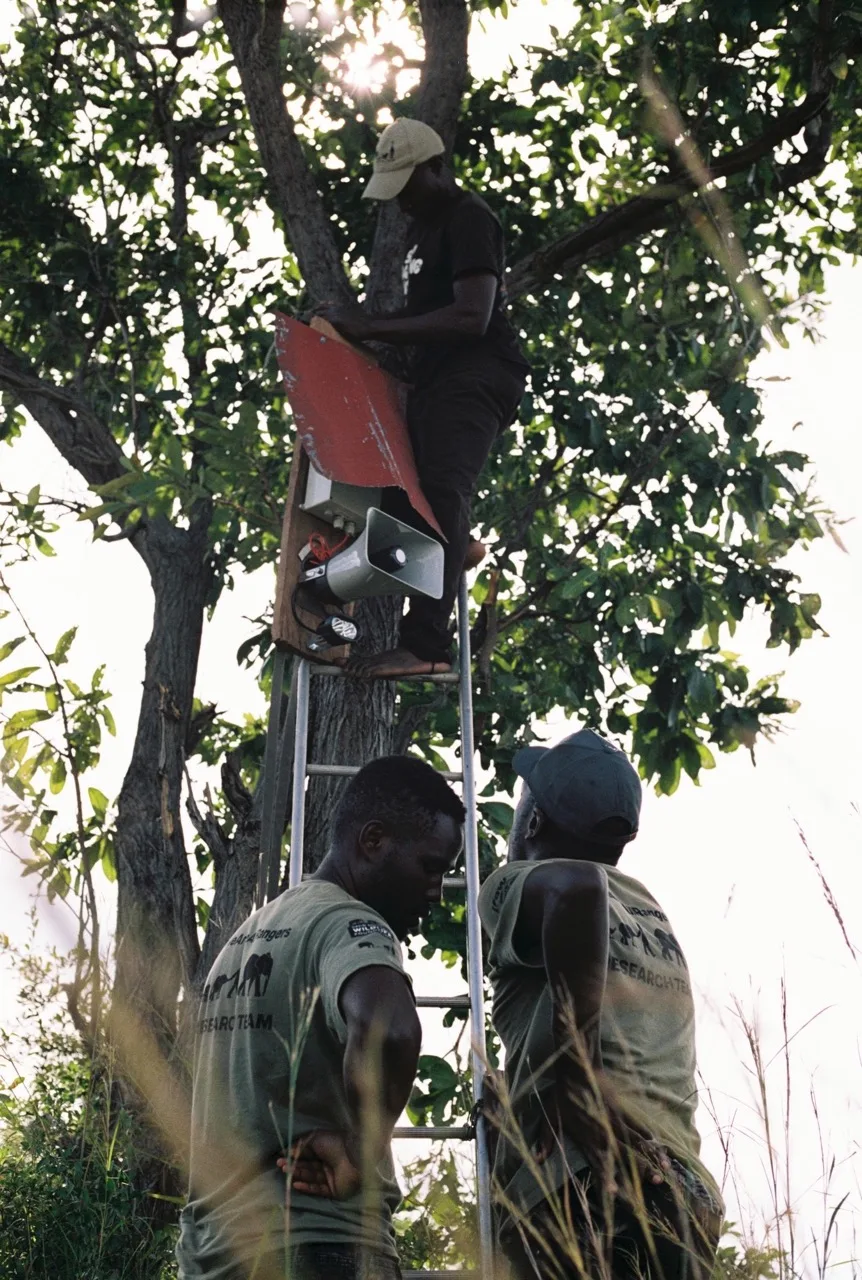
This project was designed to intervene early, before animals reach high-risk areas. By combining Instant Detect AI camera systems with the automated Smart Deterrent, the system detects elephants as they move through known pathways and responds immediately with deterrent signals that encourage them to change direction.
The AI cameras continuously monitor key access routes, water points and movement corridors. When an elephant is detected, the system triggers a nearby Smart Deterrent that emits light and sound patterns designed to attract attention and create distance, without causing harm or panic. The deterrents are intentionally variable, reducing the risk of animals becoming habituated to predictable signals.
Both the detection and response systems are solar-powered, autonomous and built for long-term outdoor deployment. Their modular design allows them to be installed in remote locations with minimal infrastructure, making them suitable for large, unfenced landscapes like Kafue.
Local knowledge first
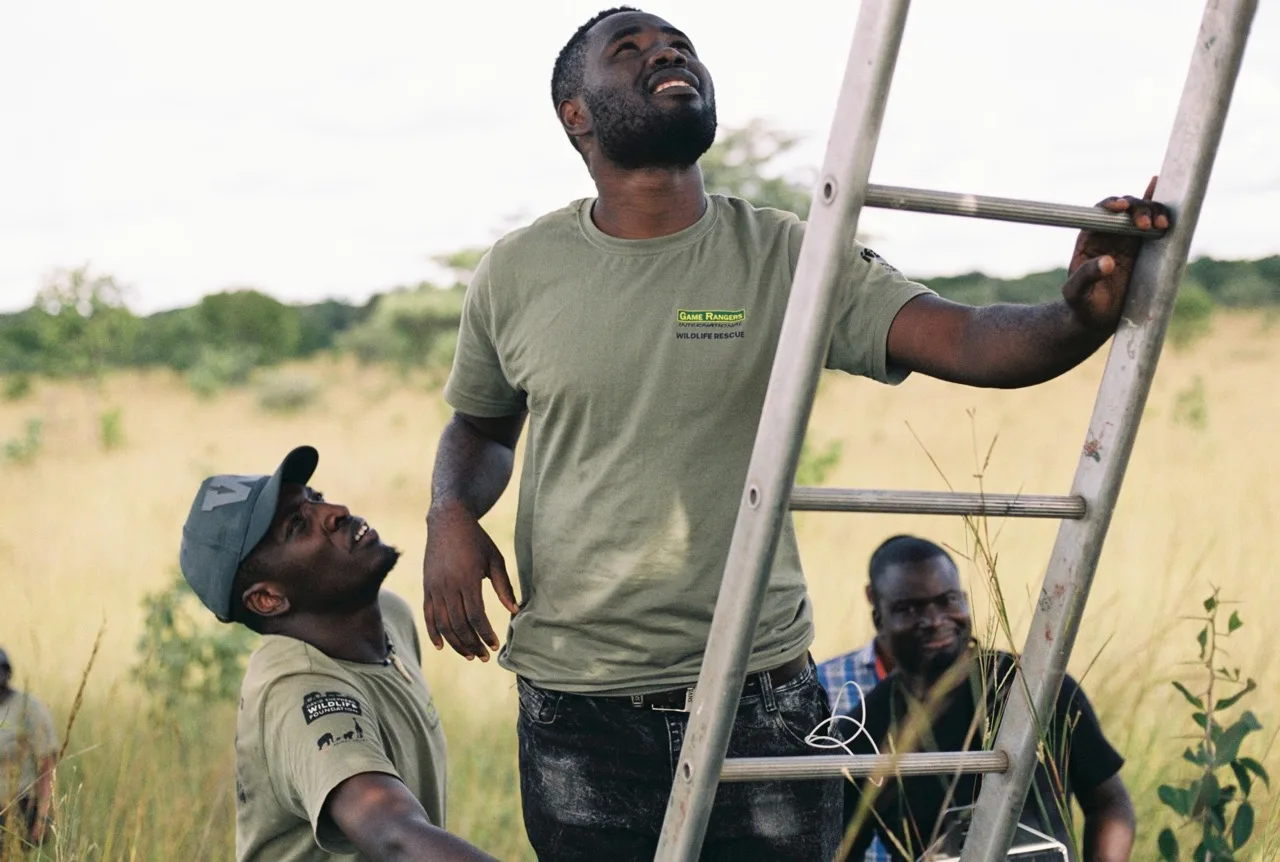
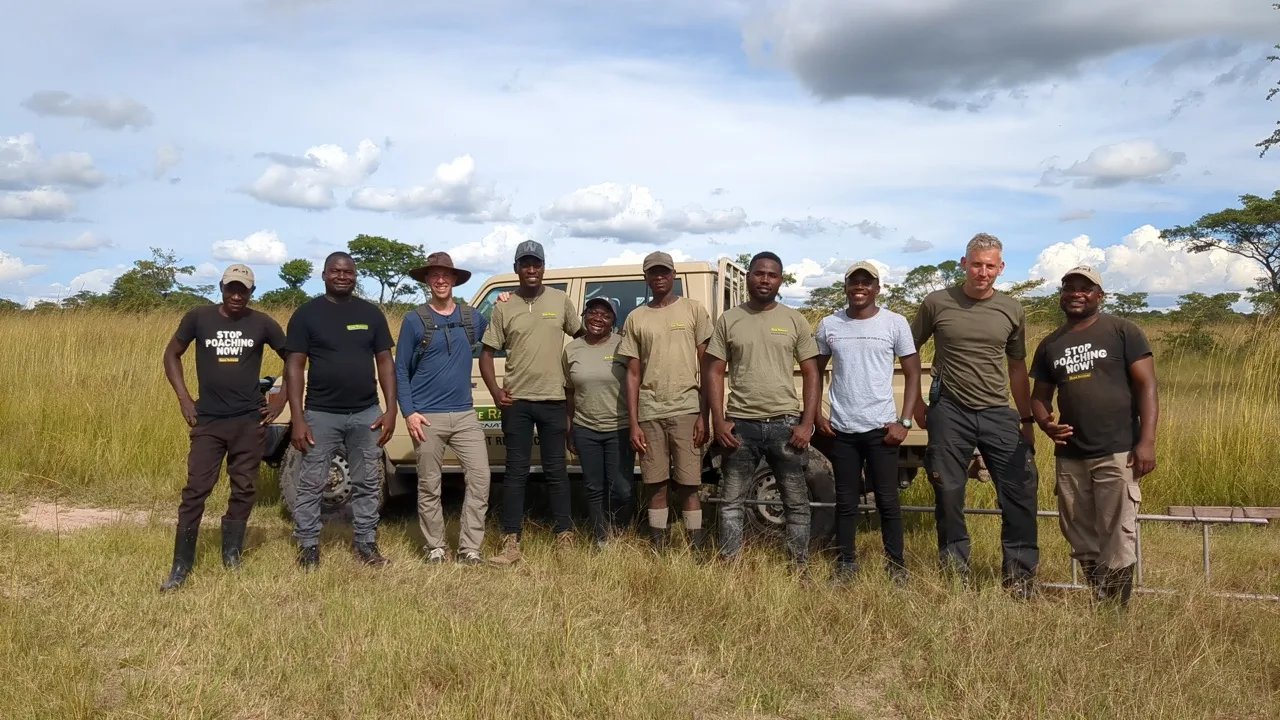
A crucial aspect of the project was close collaboration with local conservation teams and field ecologists. Site selection, placement strategy and operational thresholds were informed by years of on-the-ground knowledge about elephant behavior, seasonal movement patterns and community risk zones. This ensured that technology complemented existing conservation practices rather than replacing them.
Impact
Beyond protecting crops and infrastructure, the project contributes to broader conservation goals. Reducing conflict lowers the likelihood of retaliatory killings, supports community tolerance toward wildlife and helps preserve elephant populations that play a vital ecological role in maintaining healthy ecosystems.
The Human–Wildlife Conflicts project in Kafue demonstrates how AI-driven detection and non-lethal deterrence can work together as part of an integrated approach to coexistence. It shows that technology, when carefully designed and locally informed, can help create safer outcomes for both people and wildlife in shared landscapes.