Project overview
The Amazon rainforest has been under heavy pressure for decades. Illegal logging companies push into protected areas using forged permits, ownership claims and transport documents. By the time their presence is discovered, large stretches of ancient rainforest have often already been cut.
In the Indigenous territory of Maró, the Borarí community has lived with and from the forest for generations. The rainforest is their home, their source of food and an essential part of their culture and identity.
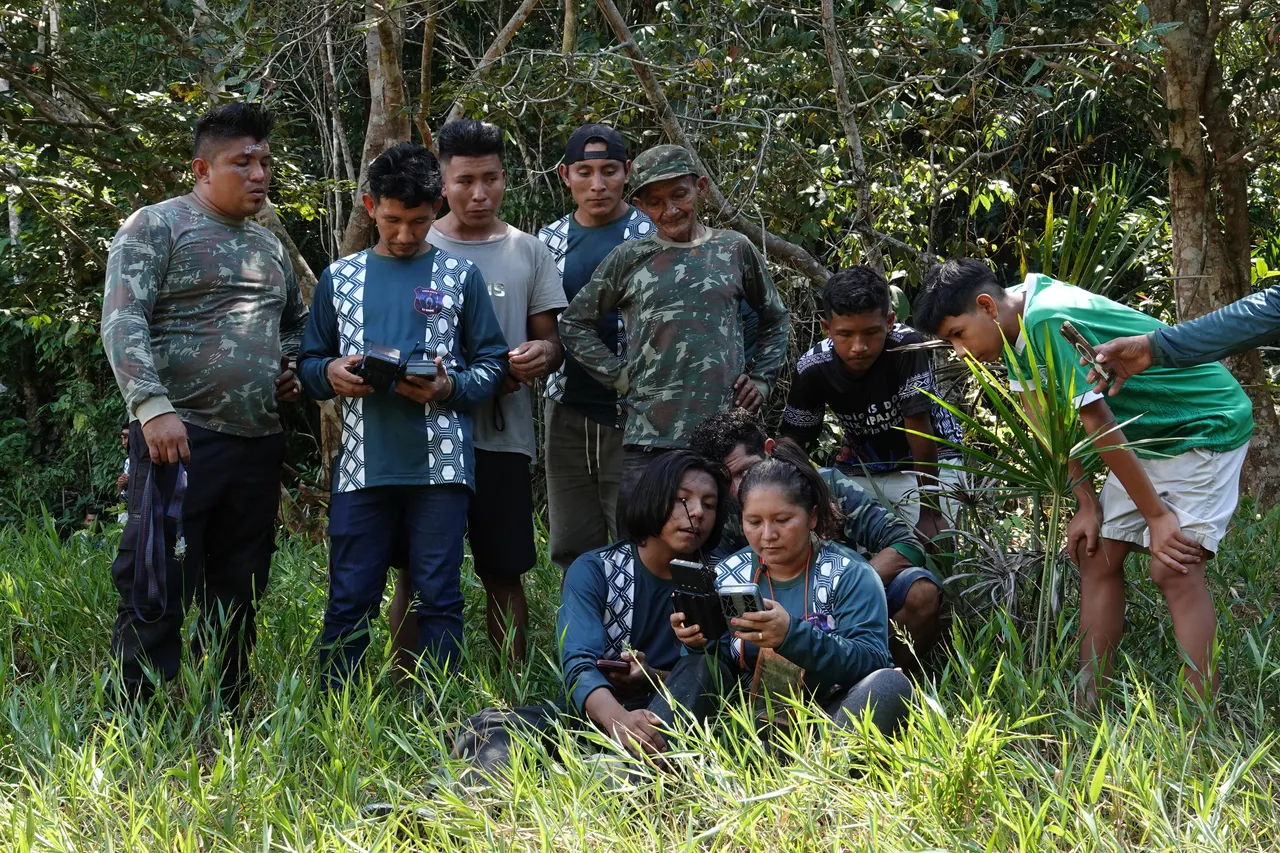
The community protects the area in part through a team of Indigenous Forest Guardians. They patrol the territory, gather evidence of illegal activity and confront intruders peacefully. With photos, videos and location data they document what is happening, so that legal and administrative steps can follow.
That approach works. When the guardians come across illegal loggers, the activity is usually halted. But the logging companies come back.
Working with Treesistance
We carried out this project together with Treesistance, an organisation that supports Indigenous communities in the Amazon in protecting their territory. Treesistance connects local Forest Guardians with the knowledge, resources and technology they need to push back against illegal deforestation, while making sure the community itself stays in control.
Through their local network and years of collaboration with the Borarí, we were able to place the cameras where it truly matters, with detections feeding straight to the people who take action in the field.
The challenge
The territory is vast, densely overgrown and hard to reach. The guardians cannot possibly keep watch over every access road and vulnerable location around the clock.
Illegal activity is often only discovered once the damage has already been done. A single truck or excavator can push deep into the forest in a short time. By the time a patrol arrives, trees have already been felled, roads have been built and the vehicles are often long gone.
Traditional camera traps help to record what happens, but they have to be read out by hand. That produces evidence after the fact, while the guardians need information at the moment a vehicle enters the area.
How it works
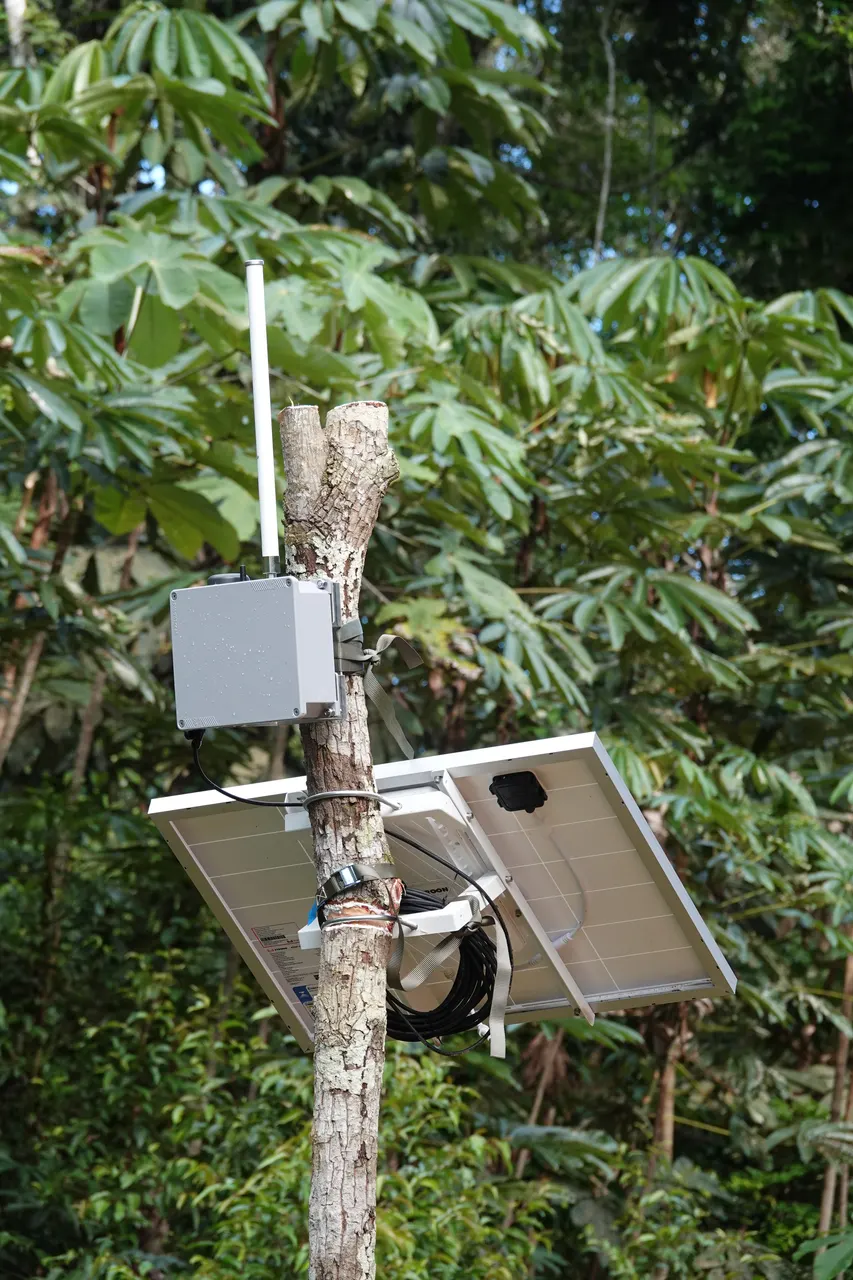
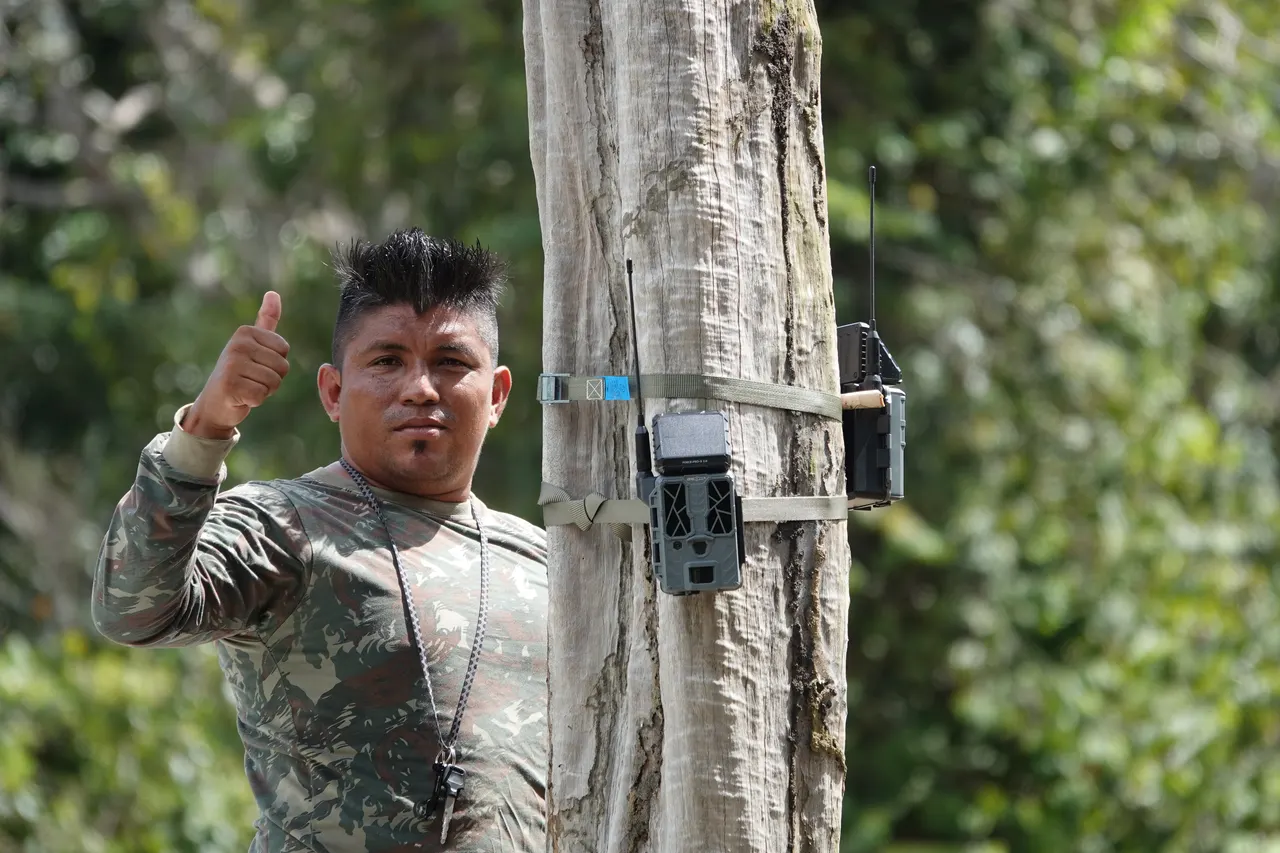
To cut that response time dramatically, we deployed Instant Detect: our autonomous camera system that can send images from anywhere on earth.
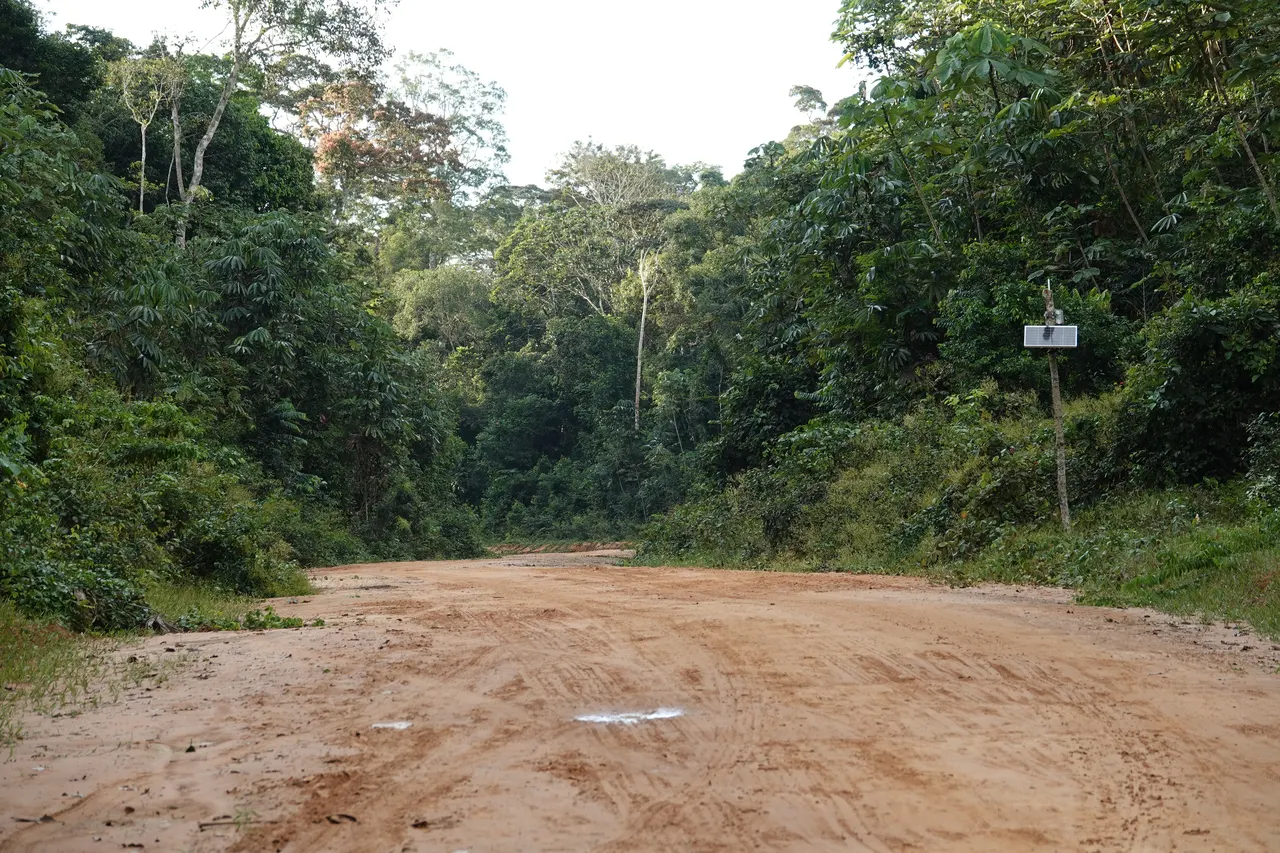
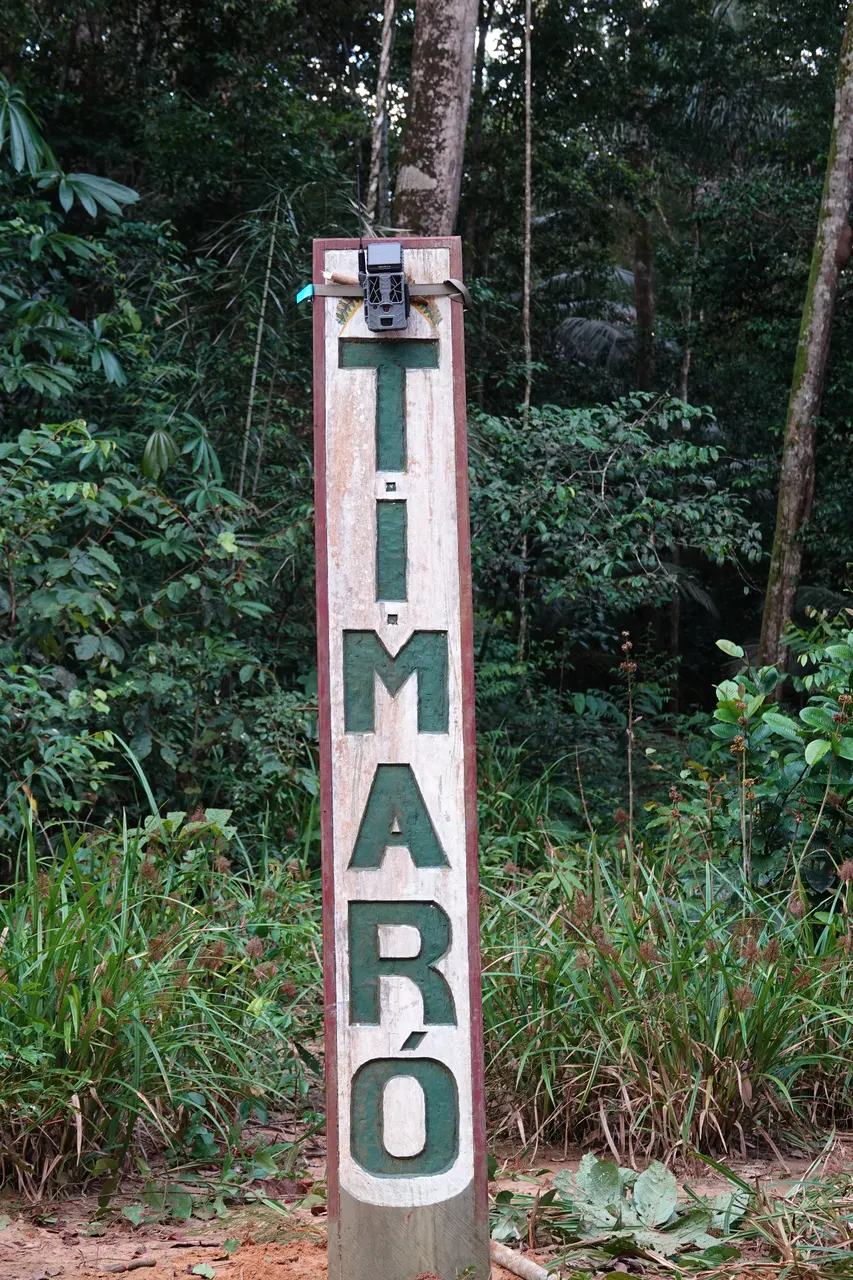
The cameras are placed along strategic access roads and routes used by illegal logging companies. When motion is detected, the system takes a photo and sends every image straight to the people guarding the area.
As a result, the guardians no longer have to wait for a memory card to be collected or for a patrol to happen across the right spot. The moment a suspect vehicle enters a protected area, they receive an image, a location and a timestamp, and can intervene immediately.
Real-time in action
Instant Detect is a real-time early-warning system.
Instead of discovering days or weeks later that logging has taken place, the community can respond right away, while the vehicles are still in the area. The images help the guardians to operate in a more targeted and safer way, and at the same time form documented evidence for legal follow-up.
The technology does not replace the knowledge and presence of the guardians. It extends their reach. The cameras watch over remote routes, while the community itself decides how to respond to a detection.
Results from day one
The system delivered results immediately.
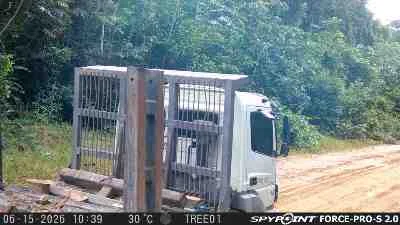
On the very first day after installation, the forwarded photos were shared via WhatsApp among the community and the guardians. The illegal loggers realised that images from our system were circulating, and knew at once that they could no longer operate unseen.
Their reaction made clear what the system changed: activity that had previously gone largely unnoticed was suddenly no longer invisible.
The strength of the network lies not only in gathering evidence, but also in its deterrent effect. Whoever drives into a protected area is no longer anonymous.
Local knowledge
The camera locations are chosen together with the people who know the area best. The Forest Guardians know which roads are used, where new routes are appearing and which parts of the territory are most vulnerable.
Their knowledge forms the basis of the system. Instant Detect provides the technical infrastructure, but the community keeps control over the monitoring, the images and the follow-up of detections. Technology for forest protection only works when it connects to local structures and serves the people who protect the area every day.
Impact
For the Borarí community, the system means that a small team can keep watch over a far larger area. The guardians receive information earlier, can deploy patrols more precisely and gather crucial evidence against illegal logging.
For the rainforest, every early detection is a chance to prevent damage rather than merely record it after the fact.
The project also shows impact on another level: that autonomous, AI-supported camera systems can be deployed without depending on permanent infrastructure or a constant human presence.
The next step
This project shows what is possible, but the current network still covers only part of the area.
The next step is scaling up: more cameras along vulnerable access roads, better coverage of the territory and a network that flags illegal vehicles as early as possible.
With every extra camera, a new route becomes visible. Step by step, a digital warning network takes shape around the forest, managed by the people who have protected it for generations.